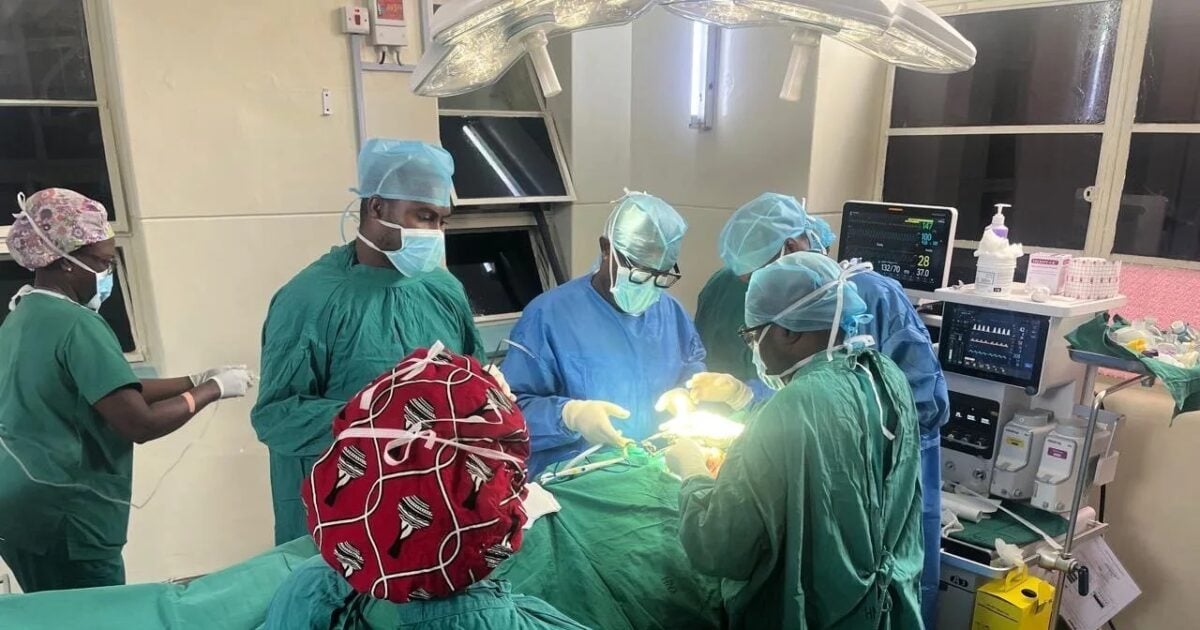
WHO warns poor health data systems could delay lifesaving interventions across Africa

WHO warns poor health data systems could delay lifesaving interventions across Africa

NAIROBI, Kenya, Nov 10 – More than half of African countries assessed by the World Health Organization (WHO) are failing to adequately record deaths, raising concerns that preventable health risks could go undetected and delay interventions that could save lives.

A new WHO report has revealed significant weaknesses in health information systems across the continent, with only 19 of the 40 countries assessed reporting that at least 80 per cent of deaths were notified to authorities.

The assessment also found that only 21 countries recorded the cause of death for at least 80 per cent of registered deaths, limiting the ability of health authorities to identify patterns of preventable mortality and address gaps in healthcare delivery.

“Based on an assessment of 40 countries in the WHO African Region, the report reveals major weaknesses in the systems governments rely on to understand why people are dying, identify emerging health threats and direct health services and resources where they are most urgently needed,” WHO said.

The findings are contained in a report titled The Maturity and Functionality of Health Information System in the WHO African Region, which highlights shortcomings in how governments collect, analyse and use health information to guide public health decisions.

The report warns that inadequate documentation of deaths and their causes could leave recurring health risks unidentified, including complications…


In brief

NAIROBI, Kenya, Nov 10 – More than half of African countries assessed by the World Health Organization (WHO) are failing to adequately record deaths, raising concerns that preventable health risks could go undetected and delay interventions that could save lives. The findings are contained in a report titled The Maturity and Functionality of Health Information System in the WHO African Region, which highlights shortcomings in how governments collect, analyse and use health information to guide public health decisions.

This is the opening of the story, shared with credit to Capital FM Kenya. The rest of the report — with every detail — continues on the publisher’s website.

Continue reading at Capital FM Kenya ↗

Cookie settings

Choose which cookies we may use. You can change this at any time from Cookie settings in the footer. Details of each cookie are in the Cookie Policy.

Strictly necessary

Needed for sign-in, security, payments and remembering these choices. Always on.

Preferences

Remember settings such as dark mode.

Analytics & performance

Help us count visits, understand which pages, devices and countries our readers use, and measure how well the site performs – anonymous and aggregated.

Advertising & marketing

Lets advertising partners show and personalise adverts, measure impressions, clicks and visits, prevent ad fraud and pay us – this is how the free site is funded.

🔔 News notifications

Get headlines from NewsHub on this device — even when the site is closed.

You can switch this off at any time. Works on Android, Windows, Mac and Linux browsers; on iPhone/iPad add the site to your Home Screen first.