
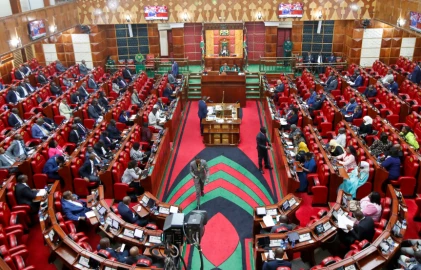
As Kenya debates the proposed Online Safety Bill, 2026, we must ask whether we are protecting these hard-won freedoms or creating new ways of undermining them.
By Shukri Wachu,
The internet has become one of the most powerful accountability tools available to ordinary Kenyans.
A video recorded on a mobile phone can expose police brutality. A social media post can draw attention to an enforced disappearance.
A photograph can help establish the last known whereabouts of an abducted person. A hashtag can turn an isolated family's search for justice into a national conversation.
Kenyans have, over the years, fought and even bled to protect basic human rights and freedoms. From the struggle against colonial rule and the fight for multiparty democracy to the resistance against authoritarianism and the demand for constitutional reforms, generations have paid a heavy price for the freedoms we enjoy today.
Freedom of expression, access to information, privacy and the ability to hold those in power accountable were never handed to us on a silver platter.
Today, as Kenya debates the proposed Online Safety Bill, 2026, we must ask whether we are protecting these hard-won freedoms or creating new ways of undermining them.
Sponsored by Embakasi West MP Mark Mwenje, the Bill seeks to protect children from online exploitation, cyberbullying, pornography, predatory behaviour and other harmful content.
