Tim’s view
In the decade since the Paris Agreement, the annual round of UN climate summits has seemed like a parallel universe, increasingly out of touch with geopolitics and the real economy.
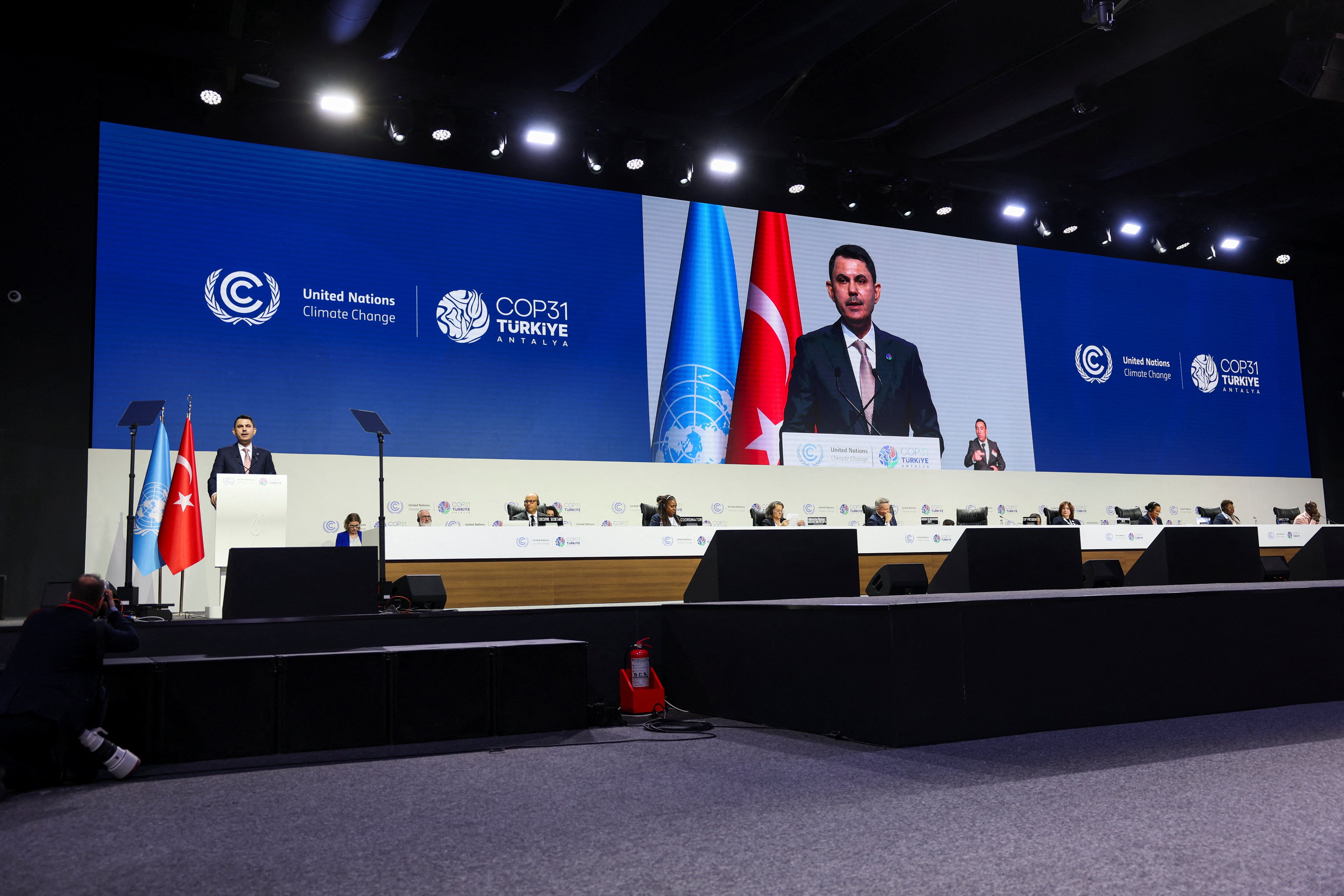
Between the idealism-bordering-on-naivete, and the impenetrable thicket of acronyms, jargon, and obscure treaty provisions, “sometimes I come into negotiation rooms and the contrast with the real world cannot be any bigger,” Ali Mohamed, Kenya’s special climate envoy, told me here. There are still many people here at COP31 in Antalya, Türkiye, this week who would love to see the oil and gas industry shuttered tomorrow, energy access and prices be damned. Fossil fuel companies’ record-breaking profits this year are proof that, like it or not, the world still needs a lot of this stuff.
While the Iran war certainly did drive some countries to accelerate their adoption of renewables, the global reprioritization of energy security means “there is no doubt we’re backsliding” on the goal adopted at COP28, in Dubai, to transition away from fossil fuels, Mohamed said. And needless to say, nothing that happens at COP has any real legally binding force on any country.
So what’s it all for? I’ve asked myself this question a lot in the past 48 hours, while navigating Antalya’s maddeningly overwhelmed transit system (although I will say the COP venue itself…