
“More than half of the world’s AI glasses are made here in China,” says Yang Zhao, CGTN, at Shenzhen’s Huaqiangbei market, where thousands of visitors try them every day.For Australian Juanita Neville-Te Rito, who struggled without an interpreter, they offer real-time translation. “We can speak our own words in our own language, it’s amazing!”For Liu Shanshan, who lost her hearing aged three, RayNeo’s glasses display speech as captions almost in real time. “At a meeting, eating out, or hailing a taxi - I would always wear them,” she says.Privacy concerns persist, while makers hope to replace smartphones.
How AI glasses are changing the way people communicate
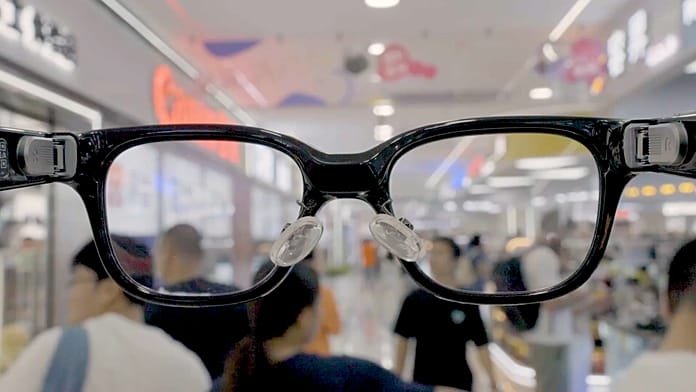
AI glasses, more than half of which are made in China, are moving from gadget to everyday tool for travellers and people with hearing loss, as makers hope they will one day replace smartphones.
In brief
“More than half of the world’s AI glasses are made here in China,” says Yang Zhao, CGTN, at Shenzhen’s Huaqiangbei market, where thousands of visitors try them every day.For Australian Juanita Neville-Te Rito, who struggled without an interpreter, they offer real-time translation. “We can speak our own words in our own language, it’s amazing!”For Liu Shanshan, who lost her hearing aged three, RayNeo’s glasses display speech as captions almost in real time. “At a meeting, eating out, or hailing a taxi - I would always wear them,” she says.Privacy concerns persist, while makers hope to replace smartphones.
This is the opening of the story, shared with credit to Euronews. The rest of the report — with every detail — continues on the publisher’s website.
Continue reading at Euronews ↗


