Drones behind two thirds of child casualties in Sudan: UN

Drones behind two thirds of child casualties in Sudan: UN

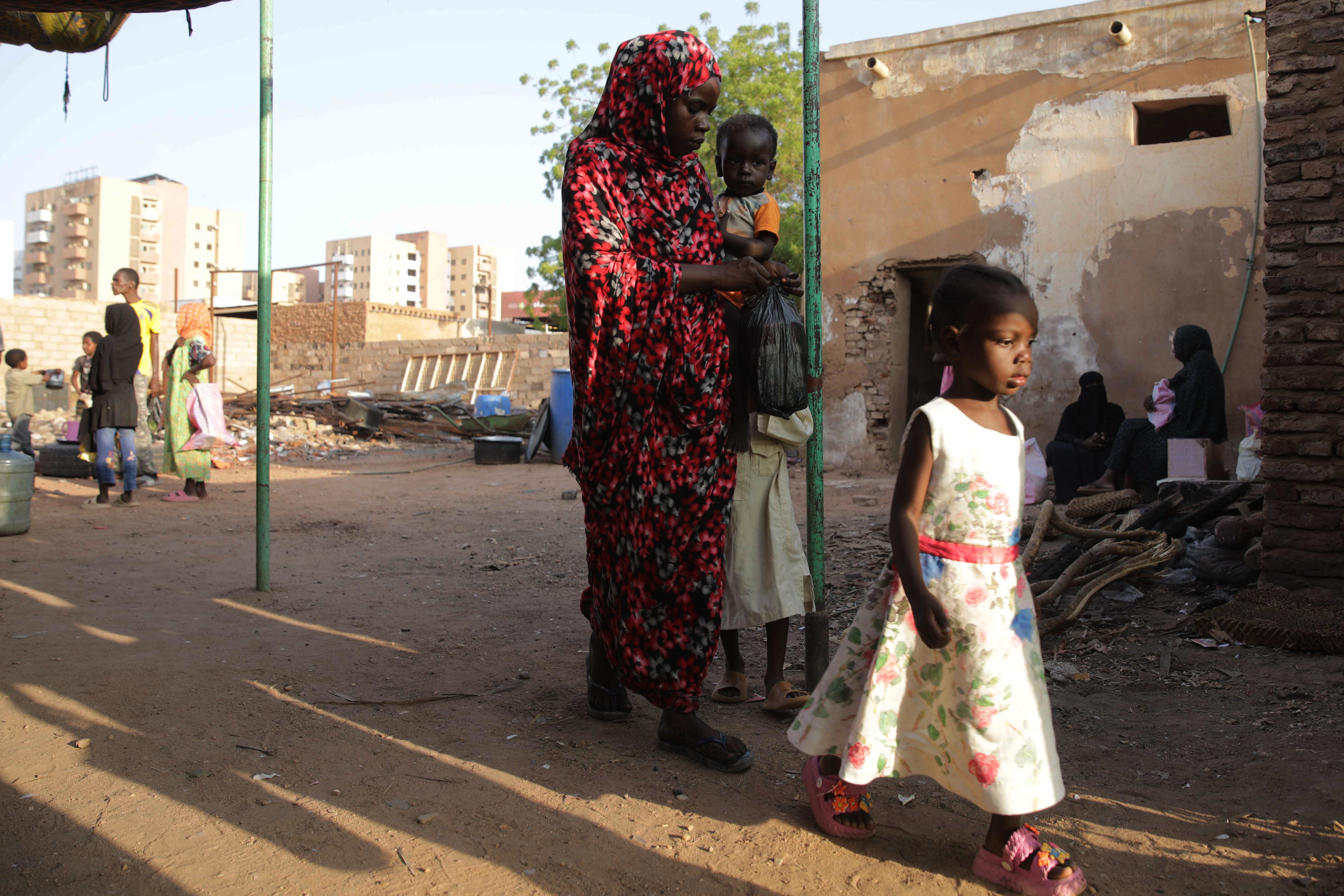
According to the UN, two-thirds of child casualties in Sudan this year were caused by drone strikes, affecting 270 out of 410 victims.

GENEVA: Two thirds of all children killed or injured in war-ravaged Sudan this year have been victims of drone strikes, the United Nations said Tuesday.

A total of 410 children were killed or injured in the country between January and September this year, the UN children’s agency UNICEF said.

And two-thirds of those casualties, an estimated 270, were caused by armed drones, UNICEF spokesman James Elder told reporters in Geneva.

“They are bringing the war to places that were once safe,” he said, adding that people in Sudan “talk about three things: safety, education and water. Armed drones are taking all three.”

The war raging since April 2023 between the paramilitary Rapid Support Forces and the regular army has killed more than 200,000 people, aid workers estimate, and has triggered the world’s largest hunger and displacement crises.

As front lines have solidified, both sides have increasingly relied on drones capable of striking targets hundreds of kilometers away without risking their fighters.

More than 1,100 people were killed in drone attacks across Sudan during the first half of the year, according to the United Nations.

Elder said an escalation in drones targeting civilian infrastructure is also deepening the devastation wrought by the drought gripping Sudan.

“Drones and drought are closing in on Sudan’s children from both sides,” he warned.

In brief

GENEVA: Two thirds of all children killed or injured in war-ravaged Sudan this year have been victims of drone strikes, the United Nations said Tuesday. Armed drones are taking all three. Elder said an escalation in drones targeting civilian infrastructure is also deepening the devastation wrought by the drought gripping Sudan. “Drones and drought are closing in on Sudan’s children from both sides,” he warned.

This is the opening of the story, shared with credit to Arab News. The rest of the report — with every detail — continues on the publisher’s website.

Continue reading at Arab News ↗

Cookie settings

Choose which cookies we may use. You can change this at any time from Cookie settings in the footer. Details of each cookie are in the Cookie Policy.

Strictly necessary

Needed for sign-in, security, payments and remembering these choices. Always on.

Preferences

Remember settings such as dark mode.

Analytics

Help us understand visits and countries – anonymous and aggregated.

Marketing

Used to measure and personalise adverts and social media content.

🔔 News notifications

Get headlines from NewsHub on this device — even when the site is closed.

You can switch this off at any time. Works on Android, Windows, Mac and Linux browsers; on iPhone/iPad add the site to your Home Screen first.