
Tehran and Washington are more likely to reach an agreement to end the conflict now than they were two months ago, Sima Shine, a senior researcher and former director of the Iran and Shiite Axis Research Program at the Institute for National Security Studies, told The Jerusalem Post on Tuesday. However, she stressed that negotiations could still fall through if the US refused to bend on giving Iran the right to uranium enrichment or if personal egos got in the way.Shine, who was head of the Research & Evaluation Division of the Mossad until 2007, assessed that both, due to the results of the midterm elections and because of the coming winter season, US President Donald Trump and Iran's negotiation team had to avoid a return to military clashes.Trump told CBS's “60 Minutes” on Sunday that both opposition to Israel and the Iran war are what handed the Democrats major wins during the midterms. “I think we can understand this from Trump's declarations and behavior, as well as the fact that he acknowledged that the defeat in the Senate and Congress was because of the Iran war. All these things together make it quite understandable that he would prefer to close this issue and spend the next two years focusing on other matters,” she said.
Chance of US-Iran agreement now greater than two months ago, expert tells Post
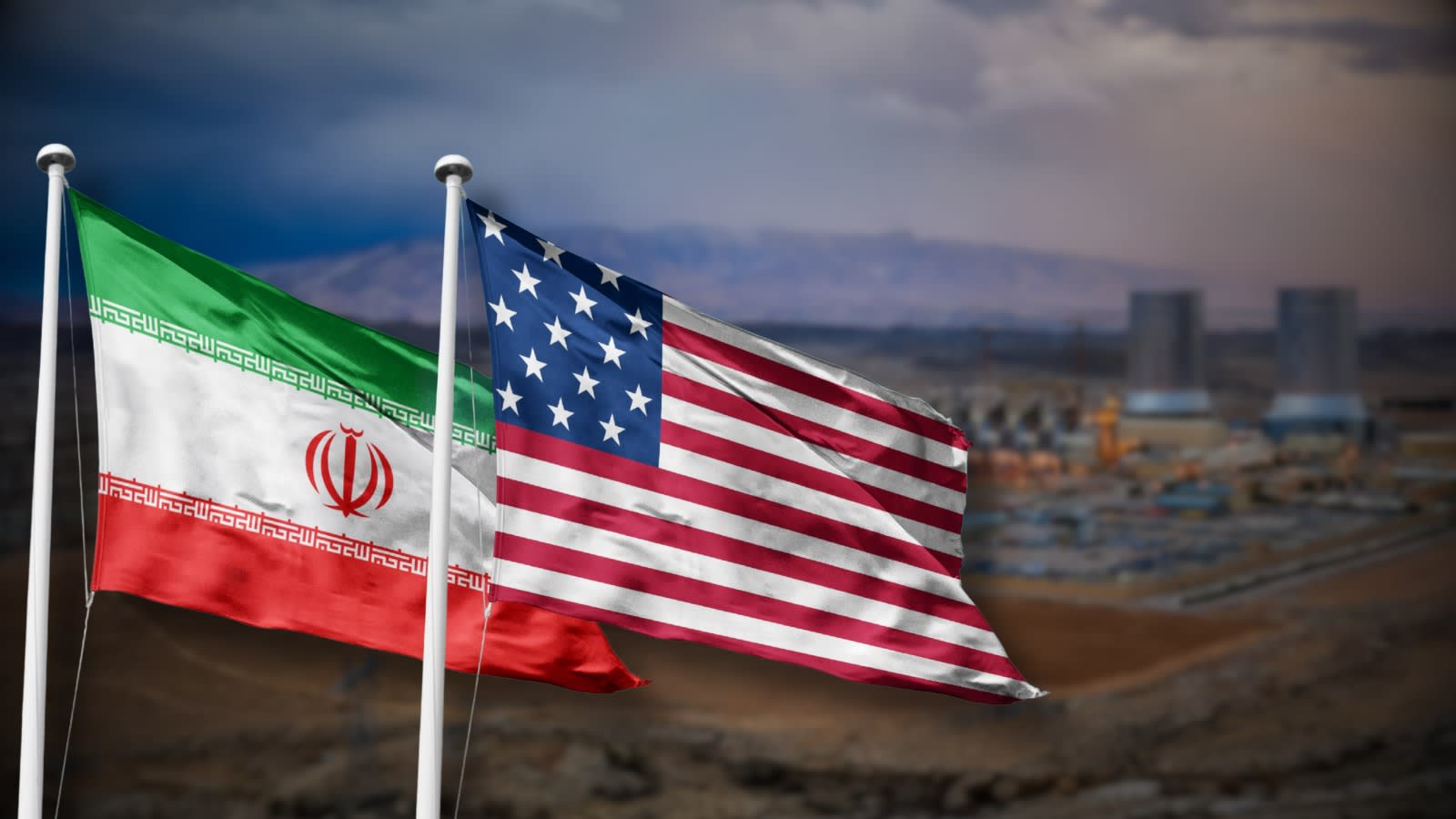
Shine stressed that negotiations could still fall through if the US refused to bend on giving Iran the right to uranium enrichment or if personal egos got in the way.
In brief
Tehran and Washington are more likely to reach an agreement to end the conflict now than they were two months ago, Sima Shine, a senior researcher and former director of the Iran and Shiite Axis Research Program at the Institute for National Security Studies, told The Jerusalem Post on Tuesday. “I think we can understand this from Trump's declarations and behavior, as well as the fact that he acknowledged that the defeat in the Senate and Congress was because of the Iran war.
This is the opening of the story, shared with credit to The Jerusalem Post. The rest of the report — with every detail — continues on the publisher’s website.
Continue reading at The Jerusalem Post ↗