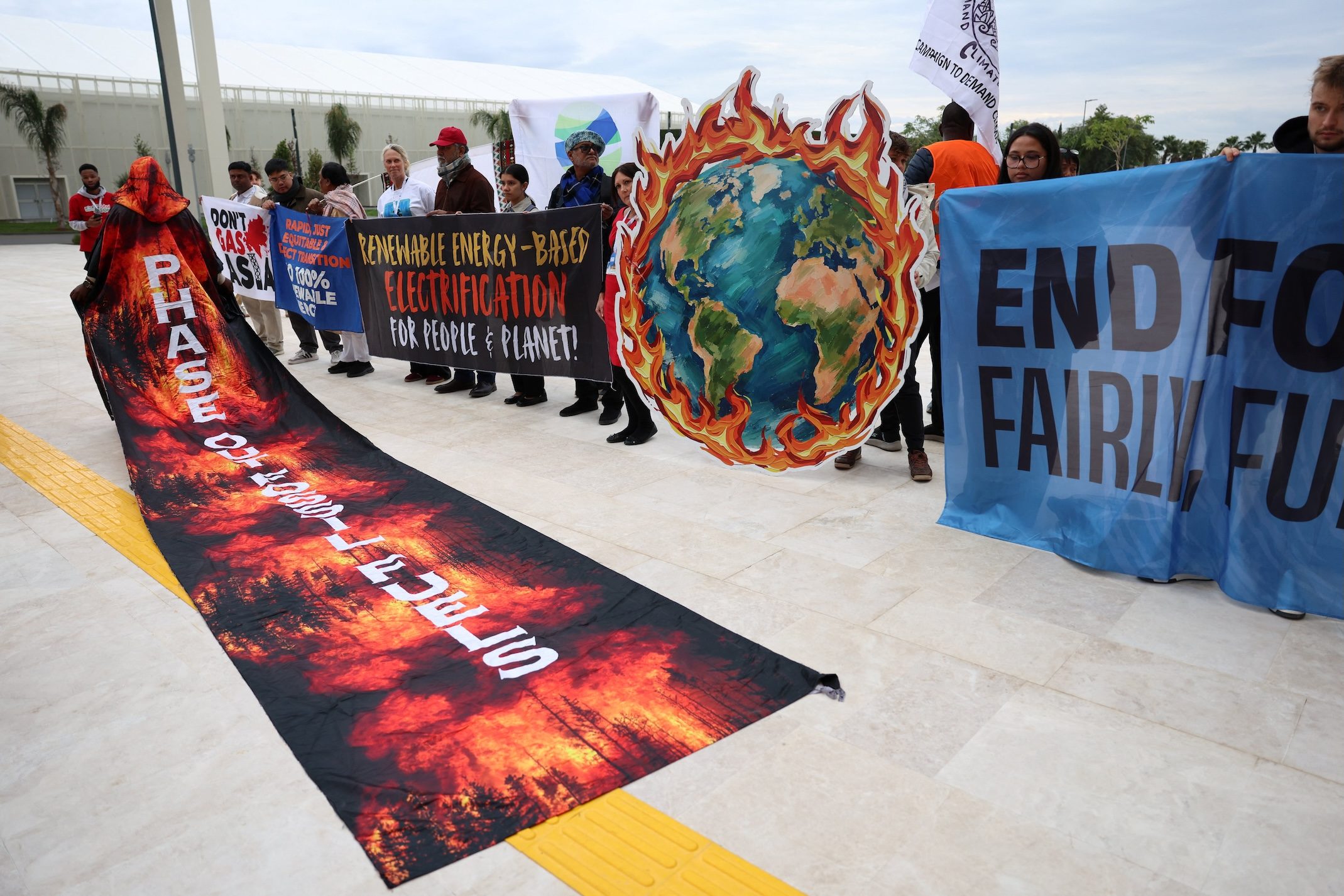
Oil dependence is bad for the climate and the economy, UN chief tells COP31

Oil dependence is bad for the climate and the economy, UN chief tells COP31

The discourse on November 10, the second day of COP31 in Turkey, highlights a tension at the heart of the climate debate: fossil fuels underpin the global economy, but also hurt it through costly climate damage and often-volatile energy prices

ANTALYA, Turkey – United Nations Secretary-General Antonio Guterres took aim at oil companies making billions of dollars in profits while families, businesses and governments suffer, as he used the COP31 climate conference to criticize fossil fuel dependency.

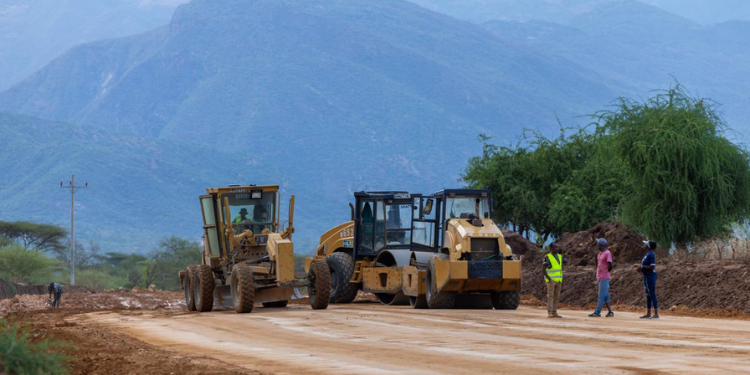
Tayyip Erdogan, president of the talks’ host nation Turkey, meanwhile, welcomed an oil discovery in the Turkish mountains, and the country’s climate negotiators pushed governments to sign a pledge to electrify their economies. The pledge does not specify whether the electricity involved would be renewable or from fossil fuels.

Taken together, the discourse on Tuesday, November 10, the second day of the two-week UN conference in Antalya, highlights a tension at the heart of the climate debate: fossil fuels underpin the global economy, but also hurt it through costly climate damage and often-volatile energy prices.

A UN report last month showed the world is poised to warm well beyond the 1.5 degrees Celsius (2.7 degrees Fahrenheit) threshold scientists say could unleash the worst consequences of climate change, as greenhouse gas emissions continue to grow.

While many people endure the impact of inflation, oil companies have largely benefited from a rise in fossil fuel prices since the US-Israeli war on Iran disrupted energy shipments from the Middle East.

“Fossil fuels are not only driving the climate crisis.
In brief

ANTALYA, Turkey – United Nations Secretary-General Antonio Guterres took aim at oil companies making billions of dollars in profits while families, businesses and governments suffer, as he used the COP31 climate conference to criticize fossil fuel dependency. Taken together, the discourse on Tuesday, November 10, the second day of the two-week UN conference in Antalya, highlights a tension at the heart of the climate debate: fossil fuels underpin the global economy, but also hurt it through costly climate damage and often-volatile energy prices. “Fossil fuels are not only driving the climate crisis.

This is the opening of the story, shared with credit to Rappler (Philippines). The rest of the report — with every detail — continues on the publisher’s website.

Continue reading at Rappler (Philippines) ↗

Cookie settings

Choose which cookies we may use. You can change this at any time from Cookie settings in the footer. Details of each cookie are in the Cookie Policy.

Strictly necessary

Needed for sign-in, security, payments and remembering these choices. Always on.

Preferences

Remember settings such as dark mode.

Analytics & performance

Help us count visits, understand which pages, devices and countries our readers use, and measure how well the site performs – anonymous and aggregated.

Advertising & marketing

Lets advertising partners show and personalise adverts, measure impressions, clicks and visits, prevent ad fraud and pay us – this is how the free site is funded.

🔔 News notifications

Get headlines from NewsHub on this device — even when the site is closed.

You can switch this off at any time. Works on Android, Windows, Mac and Linux browsers; on iPhone/iPad add the site to your Home Screen first.