LIMA/KATHMANDU/ANTALYA, Turkey, Nov 11 - Twice a day during the rainy season, Raquel Izarra climbs to the roof of her home in the eastern Lima suburb of Santa Inés Bajo and measures how much rain has fallen using a homemade gauge, before sending the data to the authorities using WhatsApp.
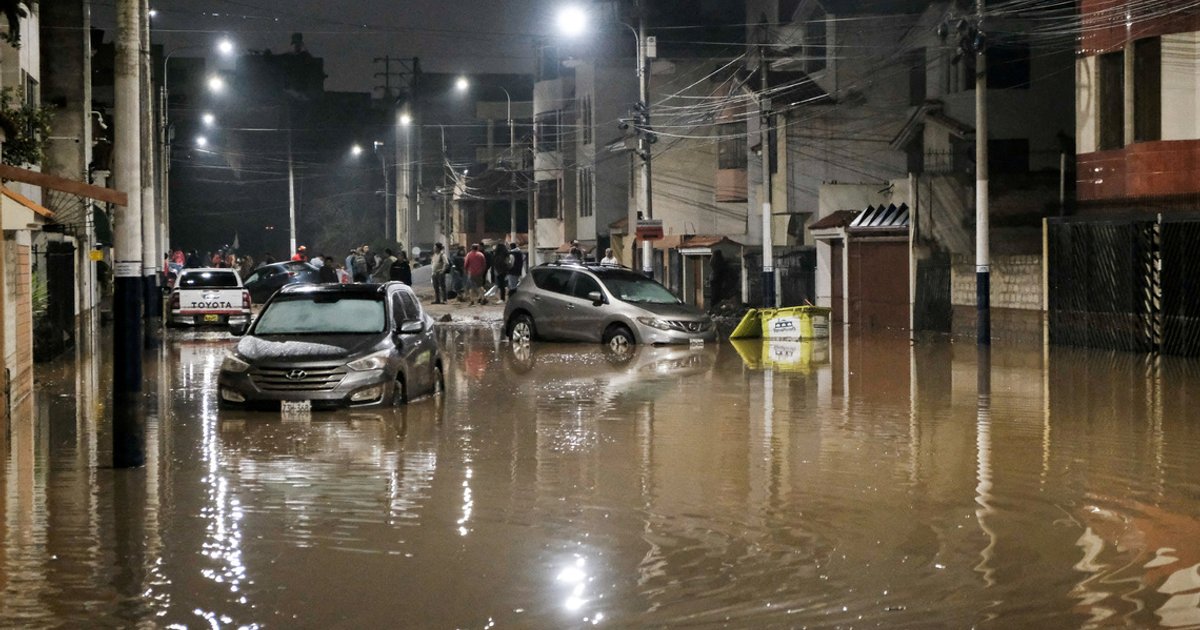
Together with more than 60 other volunteers, she is trying to ensure her community will have time to prepare should heavy rains trigger flooding and mudslides in the low-income area, as they did in 2017.
"Every year the rainfall situation has been getting worse," Izarra said. "Now, with this, we feel safer."
"We know that when it rains for more than, I don't know, three, four or five days and it maintains a certain level, that means that the ravine above is going to give way, the ravine is going to activate. That means we start giving warnings."
Global warming has increased the risk of extreme weather events and equipping communities such as Izarra's to cope will be one of the debates at the COP31 talks in Turkey, which end on November 20.
A draft UN report seen by Reuters, which measured progress across risk knowledge; detection, monitoring and forecasting; warning dissemination; and preparedness and response, found gaps remained, especially around operational readiness and financing.