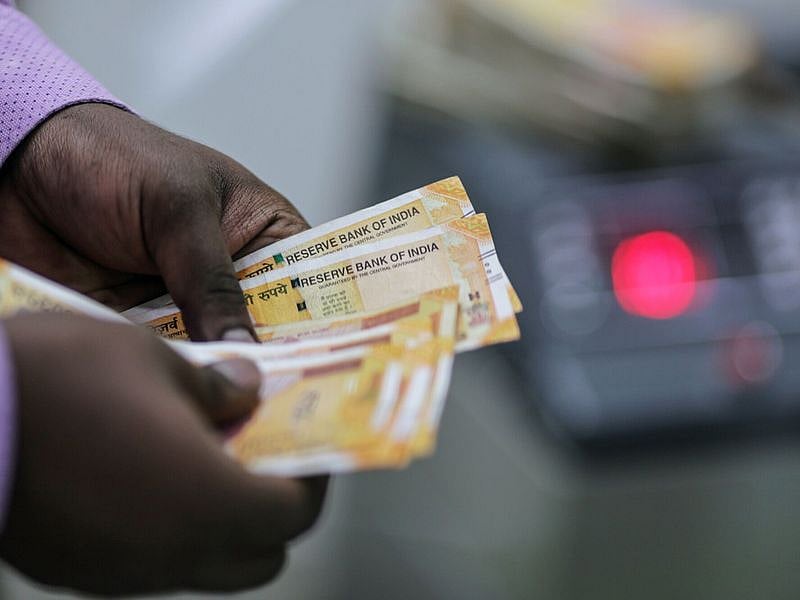
The rupee’s recovery has eased some pressure on India’s economy. It has also left the Reserve Bank of India facing much the same problem: how to contain sharp currency falls while expensive oil and uncertain foreign investment keep demand for dollars high.
For a family paying university fees abroad, a stronger rupee can mean a smaller bill. For someone earning overseas and sending money to India, it means fewer rupees reach home for the same amount sent.
Neither experience tells the whole story. What benefits a person making an overseas payment can disappoint someone supporting relatives in India, while the cost of living affects both families.
The rupee closed at 94 per dollar on Monday, recording its strongest weekly gain since the start of the year, according to Reuters. The recovery reflects the effect of RBI measures, though expensive oil and foreign investment outflows continue to put pressure on the currency.
What changes for a family?
Consider a $10,000 overseas bill. At 97 rupees per dollar, it costs Rs970,000; at 94, it costs Rs940,000 — a saving of Rs30,000 before fees.
That is a meaningful difference without any change in what the family is buying. The tuition fee, medical bill or other dollar-priced expense stays the same, but fewer rupees are needed to pay it.