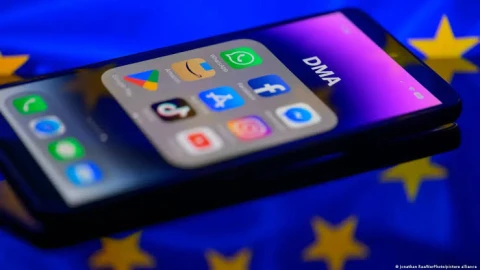
The EU already has a raft of laws covering data protection, artificial intelligence and online content but Brussels and campaigners argue there are gaps that leave consumers exposed to harmful digital practices.
The European Union will on Wednesday unveil new rules to crack down on influencer marketing, ban online features that trick Europeans and force platforms to give users the right to turn off "addictive" features.
The EU already has a raft of laws covering data protection, artificial intelligence and online content but Brussels and campaigners argue there are gaps that leave consumers exposed to harmful digital practices.
The bloc's executive will unveil a much-needed update of consumer rules dubbed the "Digital Fairness Act" (DFA) that will give it the power to slap fines on companies of up to six percent of their annual turnover in large-scale cases.
The financial harms to European consumers are vast: official data showed "problematic" digital practices led to losses for individuals reaching 10.3 billion euros ($11.5 billion) a year.
Based on draft documents seen by AFP, the proposal will include:
-- a ban on "dark patterns", the practice of tricking users into making unwanted purchases or opting in to certain settings without their knowledge
-- stricter rules on how brands promote content through influencers, demanding clear labels such as "advertisement" on posts