
Breakthrough medicines used for cutting weight and addressing diabetes mimic the natural GLP-1 hormone to regulate blood sugar and curb appetite. In recent years, they have become a cornerstone of treatment for type 2 diabetes and obesity, also showing benefits for heart and kidney health.Despite their proven effects, a substantial proportion of patients stop taking these drugs, often within the first year. Common reasons include gastrointestinal side effects, perceived lack of efficacy, high costs, and concern about rare side effects.Coming off treatment is frequently followed by weight regain and a worsening of several cardiometabolic risk factors, such as blood sugar and blood pressure. Now, a new study, published in The Lancet Regional Health Europe, found that stopping such medicines was linked to a doubled combined risk of non-fatal heart attack, non-fatal stroke, or death from any cause compared to those who continued. This equates to roughly four events per 100 people per year among those who stopped, compared with two per 100 among those who continued. Among those who stopped treatment, the risks were higher for people with obesity than for those without. People with obesity (a body mass index above 30) had a 127% higher cardiovascular risk after coming off GLP-1s, compared with a 61% increase among those without obesity.However, because it was an observational study, it cannot determine…
For diabetes patients, stopping GLP-1 drugs linked to doubled risk of heart attack, stroke, death
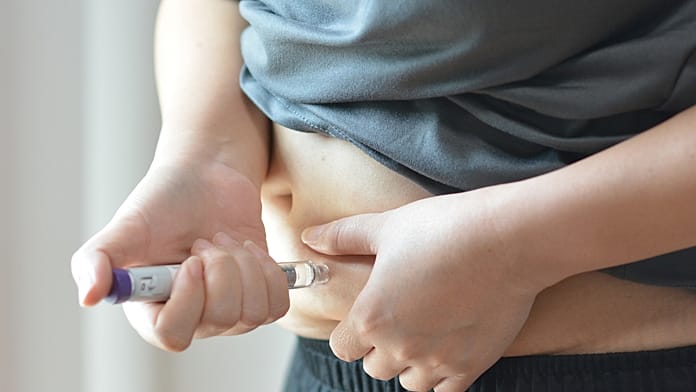
People with type 2 diabetes who stopped GLP-1 treatment had twice the risk of heart attack, stroke or death than those who continued, according to a new study.
In brief
Breakthrough medicines used for cutting weight and addressing diabetes mimic the natural GLP-1 hormone to regulate blood sugar and curb appetite. Now, a new study, published in The Lancet Regional Health Europe, found that stopping such medicines was linked to a doubled combined risk of non-fatal heart attack, non-fatal stroke, or death from any cause compared to those who continued.
This is the opening of the story, shared with credit to Euronews. The rest of the report — with every detail — continues on the publisher’s website.
Continue reading at Euronews ↗