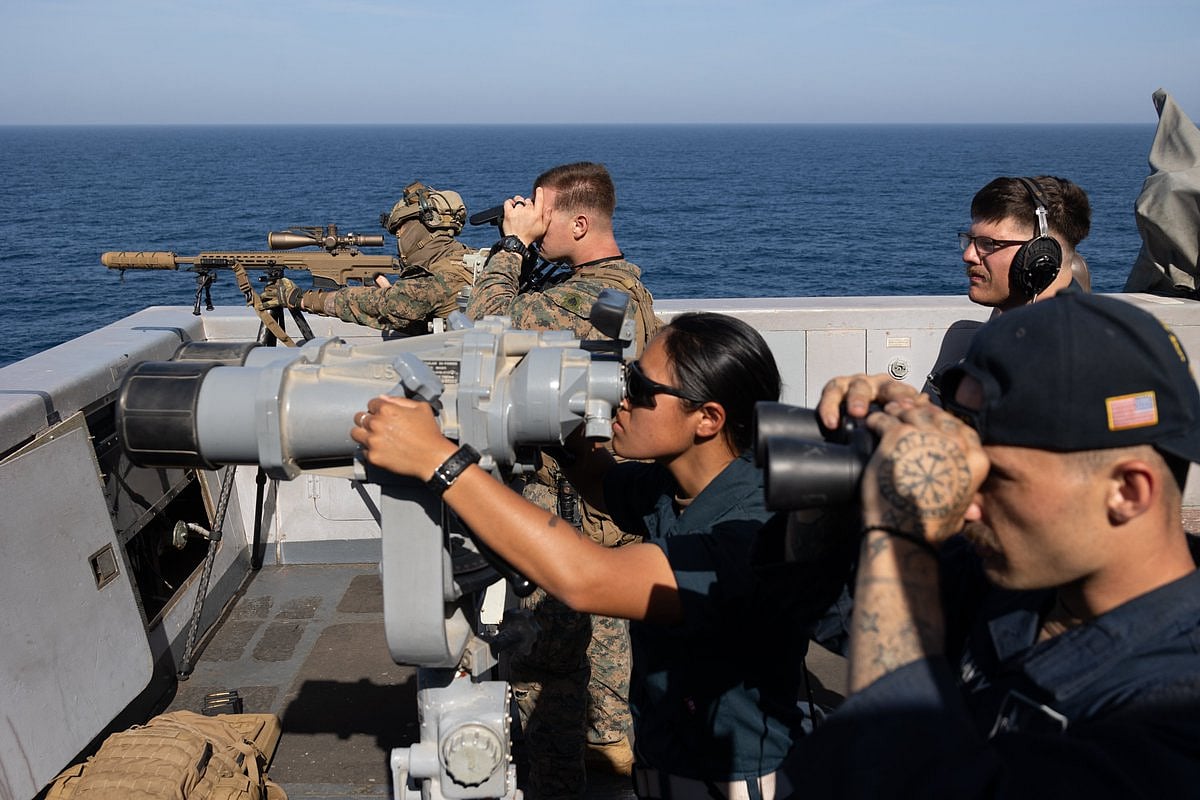
As the US/Israel war with Iran enters Day 256, Saudi route suspensions and Hormuz shipping attacks continue.
While the latest regional security developments do not establish a general threat to residents in the UAE, they make travel planning, coastal precautions and fuel-cost awareness prudent.
Following are the latest updates:
Aviation situation
UAE airspace remains open, as carriers find a workaround amid possible threats. Airlines, however, remain subject to individual risk assessments and changing conflict-zone advisories.
The European Union Aviation Safety Agency (EASA) keeps advisories covering Iran, the UAE, Bahrain, Kuwait, Qatar and Oman (listed as valid until November 16, unless revised earlier).
The principal confirmed passenger impact is on Saudi routes amid attacks launched by Iran-backed Houthis in Yemen.
Etihad has suspended Abu Dhabi flights to Riyadh and Dammam until November 19; flydubai’s Dammam service was still listed as "canceled", while Emirates and Air Arabia have reported selected Saudi disruptions.
Iranian-operated flights to the UAE remain suspended, and Emirates and flydubai flights to Tel Aviv are affected.
These arrangements can change quickly as carriers reassess routes and security information.
Get it: Fast, verified news for FREE ... download the Gulf News app — simply click here
Oil and fuel costs
Oil rebounded Wednesday after reaching two-month lows, as traders weighed possible de-escalation against continuing attacks on Hormuz shipping.