SHANGHAI – Drugmakers in China are seizing on a boom in digital assistants that has opened up a new – and potentially more efficient – way to connect with doctors after a sweeping graft crackdown disrupted traditional engagement channels.
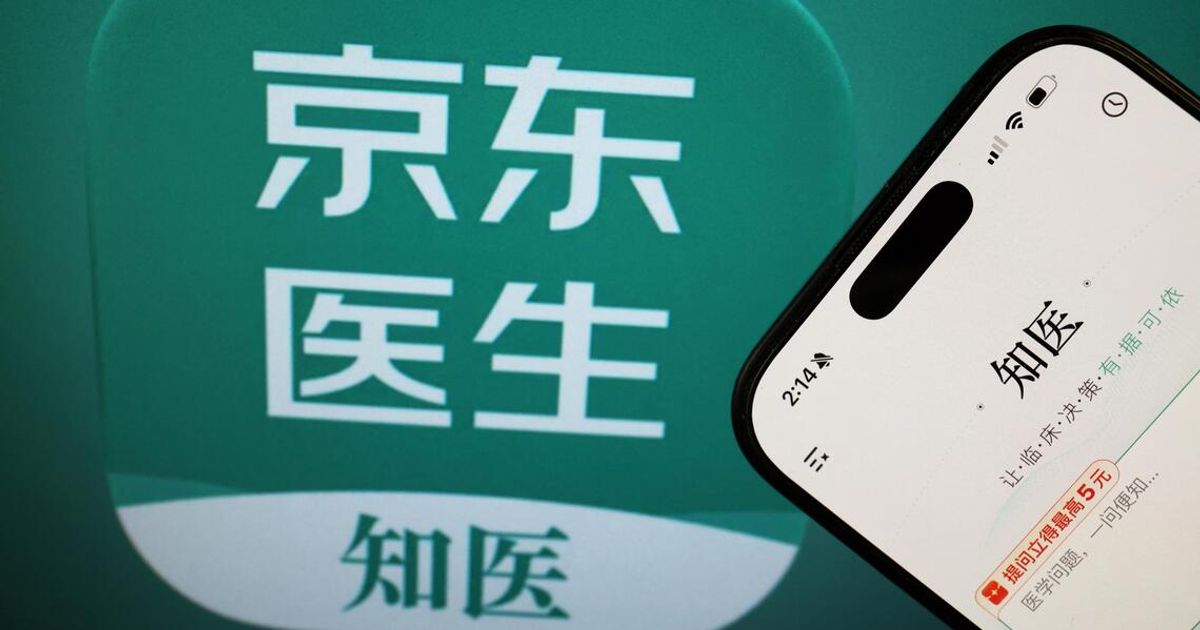
A wave of AI-powered apps similar to OpenEvidence – a sort of ChatGPT designed specifically for doctors, which is not available in China – has entered the market in 2026 from companies like online healthcare giants Alibaba Health and JD Health.
Drugmakers are racing to leverage the technology, exploring potential marketing opportunities with app makers or customising platforms around specific diseases for use by physicians, tech executives said, after Beijing’s increased scrutiny of hospital visits made doctor outreach more difficult and hurt sales.
The added impetus to shift marketing budgets to digital channels could be a boon for the health-tech companies making the apps, offering a new revenue stream in a market facing rising competition and weak Chinese consumption.
Drugmakers are central to one business model Alibaba Health is considering, which would allow promoted medical research and clinical evidence to appear alongside relevant AI-generated responses to physician questions on its Hydrion app, in much the same way as on OpenEvidence, chief technology officer Wang Xiangzhi said.
“Today, many pharmaceutical companies, in order to influence doctors and bring their drugs to market…