Sudan lifts 20-month ban on Kenyan tea imports after Ruto talks

Sudan lifts 20-month ban on Kenyan tea imports after Ruto talks

Sudan has reopened its market to Kenyan tea after a 20-month import ban, President William Ruto announces.

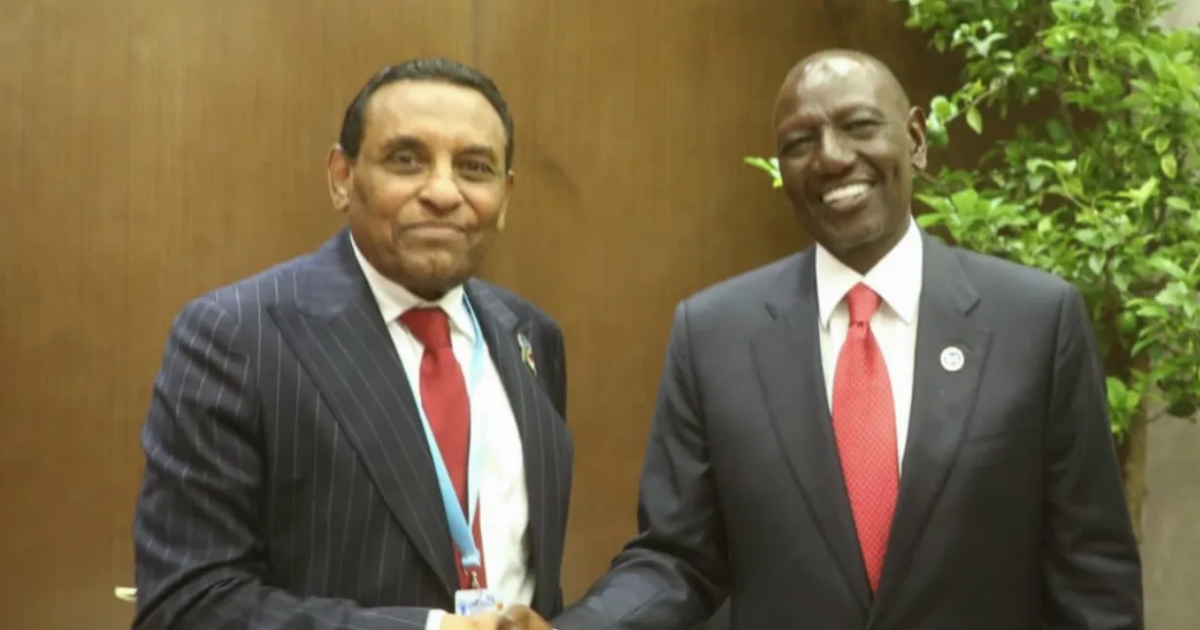
NAIROBI, Kenya, Nov 11 – Sudan has lifted a 20-month ban on Kenyan tea imports following talks between President William Ruto and Prime Minister Kamil Idris, reopening an important export market for Kenyan traders.

The decision was announced by Ruto after his meeting with Idris on the sidelines of the Common Market for Eastern and Southern Africa (COMESA) Heads of State and Government Summit in Harare, Zimbabwe.

The restriction had blocked Kenyan tea exporters from accessing the Sudanese market for nearly two years, disrupting trade and limiting opportunities for local traders and producers.

Ruto welcomed the move, saying it would restore market access for exporters and support the livelihoods of tea farmers and their families.

“Kenya welcomes and appreciates this decision, which reopens an important market for our tea, restores opportunities for our exporters and supports the livelihoods of our farmers and their families,” he said.

He described the development as evidence of the role of diplomatic engagement in resolving trade barriers and strengthening economic ties between the two countries.

“This progress demonstrates what dialogue and constructive diplomacy can achieve. We look forward to strengthening our bilateral relations, expanding trade and working together for peace, stability and shared prosperity in our region,” Ruto said.

The reopening offers Kenyan tea traders an opportunity to resume business with Sudanese buyers after the…

In brief

NAIROBI, Kenya, Nov 11 – Sudan has lifted a 20-month ban on Kenyan tea imports following talks between President William Ruto and Prime Minister Kamil Idris, reopening an important export market for Kenyan traders. The restriction had blocked Kenyan tea exporters from accessing the Sudanese market for nearly two years, disrupting trade and limiting opportunities for local traders and producers.

This is the opening of the story, shared with credit to Capital FM Kenya. The rest of the report — with every detail — continues on the publisher’s website.

Continue reading at Capital FM Kenya ↗

Cookie settings

Choose which cookies we may use. You can change this at any time from Cookie settings in the footer. Details of each cookie are in the Cookie Policy.

Strictly necessary

Needed for sign-in, security, payments and remembering these choices. Always on.

Preferences

Remember settings such as dark mode.

Analytics & performance

Help us count visits, understand which pages, devices and countries our readers use, and measure how well the site performs – anonymous and aggregated.

Advertising & marketing

Lets advertising partners show and personalise adverts, measure impressions, clicks and visits, prevent ad fraud and pay us – this is how the free site is funded.

🔔 News notifications

Get headlines from NewsHub on this device — even when the site is closed.

You can switch this off at any time. Works on Android, Windows, Mac and Linux browsers; on iPhone/iPad add the site to your Home Screen first.