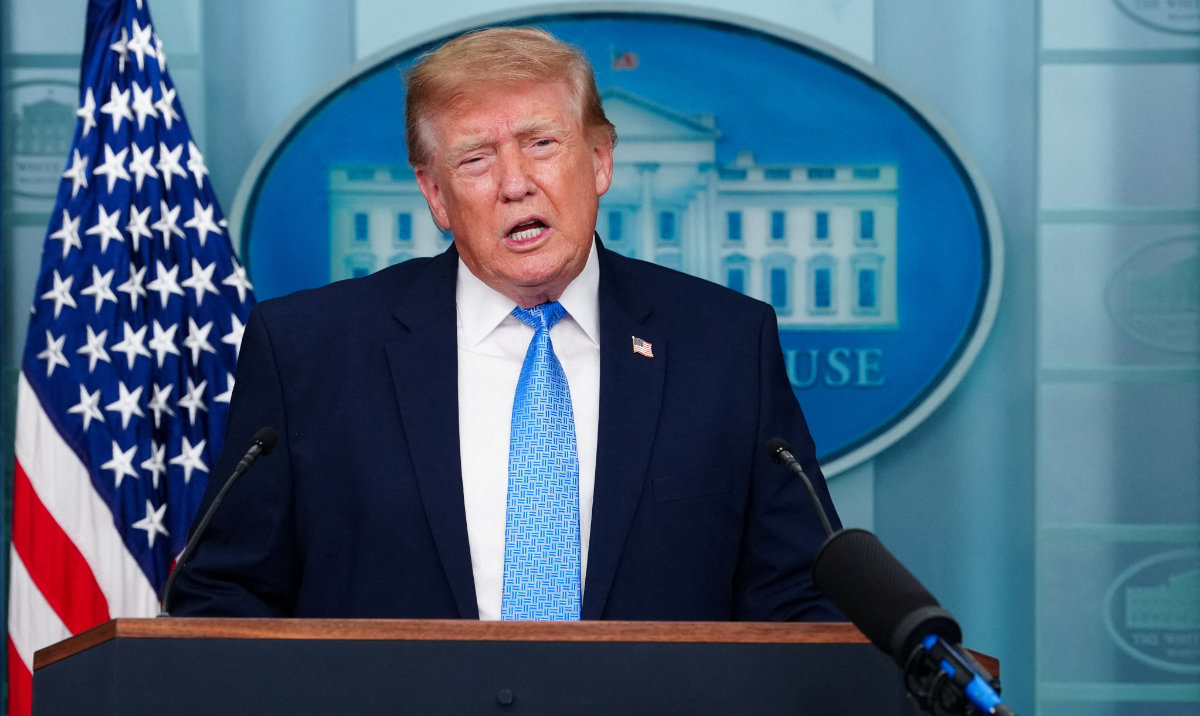
With the Republicans losing control of both the House and the Senate in the Nov. 3 US midterm elections, many observers saw the outcome as a broad public rejection of the war with Iran. The conflict had come home to American voters through higher fuel prices, a rising cost of living and persistent inflation. Low-income families felt it most. Many voters, Republicans among them, switched to the Democrats. President Donald Trump implicitly conceded as much. Vice President J.D. Vance said it outright.
Tehran hailed the result as a political win. It saw the vote as proof that it had made Trump pay at the polls for the war launched against Iran. That helps explain why the regime dragged its feet in negotiations until Election Day. It also explains why prominent figures, including Parliament Speaker Mohammed Baqer Qalibaf, kept stressing how much the war was costing ordinary Americans, the same costs that ultimately hurt the Republicans.
Supreme Leader Mojtaba Khamenei, however, sounded a note of caution. In a message marking the anniversary of the 1979 takeover of the US Embassy in Tehran, he warned against relying on “partisan and factional shifts” in Washington. Believing that American hostility could be ended through concessions, he said, would be a “grave mistake.”