Ancient communities living along Peru's northern coast experienced devastating floods, food shortages and periods of mass human sacrifice, yet everyday violence remained remarkably uncommon. A new study published in Frontiers in Environmental Archaeology, also reported by science platforms Phys dot org and Scimex, has found that only a small fraction of people living in the Lambayeque Valley showed physical evidence of interpersonal violence over more than 3,000 years. The findings offer a different perspective on how human societies respond to environmental disasters, suggesting that climate-related hardship does not necessarily lead to widespread conflict. The research, titled Pax Lambayeque? Trauma, Interpersonal Violence, and Environment over 3,000 Years in the Lambayeque Valley Complex, Peru, was conducted by researchers Thomas J Snyder of New York University and Haagen D Klaus of George Mason University. The team examined skeletal remains from 30 archaeological sites, using evidence preserved in bones to understand how people experienced violence, accidents and environmental changes. Of the 1,633 individuals with sufficiently clear dates of death, just 25 showed signs of injuries associated with interpersonal violence. This represented approximately 1.6 per cent of the sample. Another 77 individuals had evidence of accidental injuries.The researchers then compared these findings with historical climate patterns, including changes in rainfall, water availability and the frequency of El Niño-related flooding.
Study Links Climate And Violence: Peru skeletons show low conflict; ritual sacrifice stays distinct
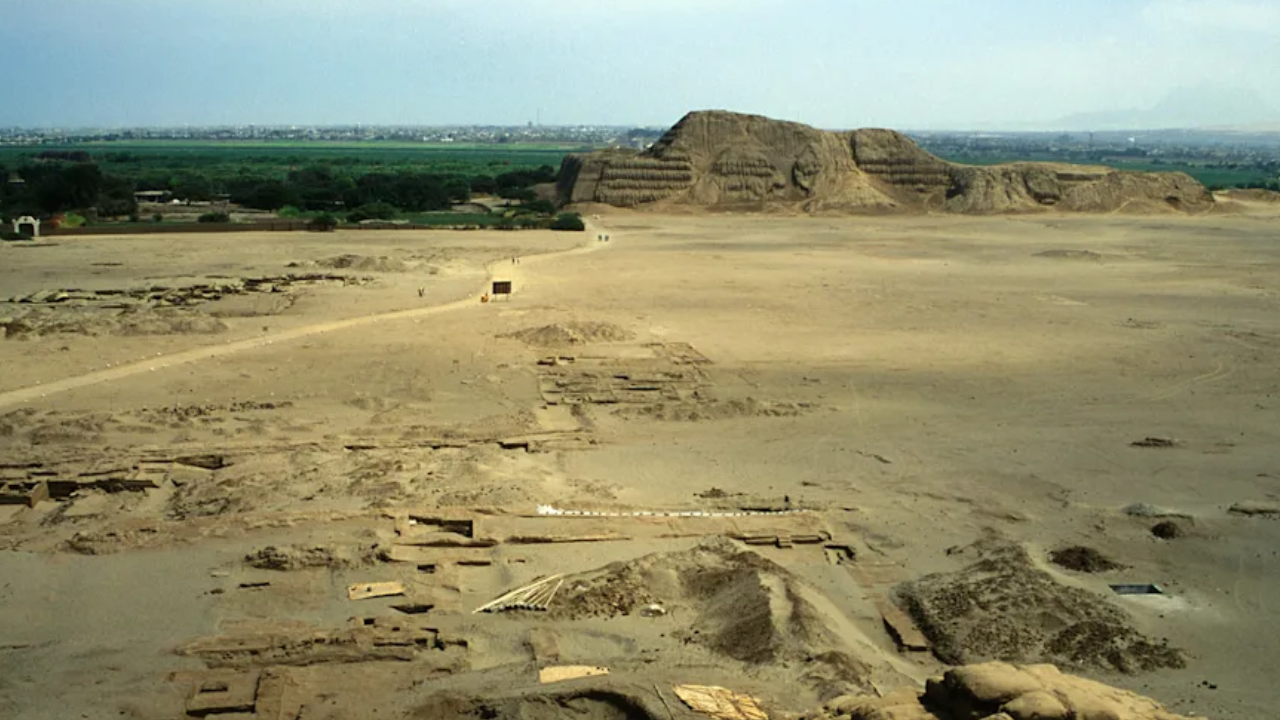
Throughout history, ancient communities in Peru's Lambayeque Valley confronted significant flooding and food scarcity. Interestingly, despite these hardships, instances of interpersonal violence were notably infrequent. Research indicates that only a tiny percentage of skeletal remains revealed signs of conflict. Instead, these resilient societies cleverly adapted, capitalizing on marine resources to weather…
In brief
Ancient communities living along Peru's northern coast experienced devastating floods, food shortages and periods of mass human sacrifice, yet everyday violence remained remarkably uncommon. Trauma, Interpersonal Violence, and Environment over 3,000 Years in the Lambayeque Valley Complex, Peru, was conducted by researchers Thomas J Snyder of New York University and Haagen D Klaus of George Mason University. The team examined skeletal remains from 30 archaeological sites, using evidence preserved in bones to understand how people experienced violence, accidents and environmental changes.
This is the opening of the story, shared with credit to The Times of India — World. The rest of the report — with every detail — continues on the publisher’s website.
Continue reading at The Times of India — World ↗