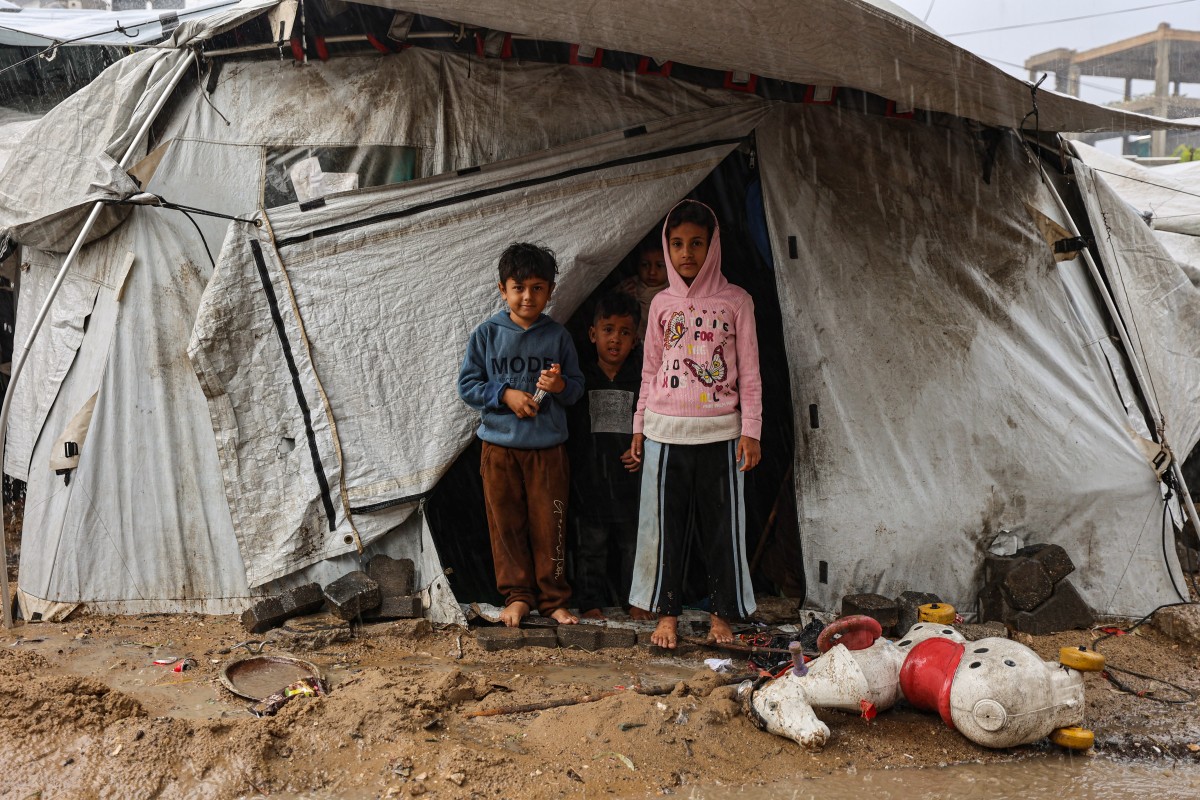
Peace is not just the absence of armed conflict. Weak healthcare systems, public institutions losing trust, failing market systems, and other components of society all characterise a lack of peace. Peace is a condition maintained by systems that allow people and communities to live, work and prosper together.
The world marked World Science Day for Peace and Development on Tuesday under the theme; ‘Common Ground Through Science Diplomacy’. This provides a good opportunity to examine how science can be harnessed to ensure that systems, structures, and institutions function for shared prosperity.
There is often a risk of viewing peace as separate from development. The thinking was that development concerns economic growth through infrastructure and capital projects, while peace comes in when tension arises. This is not entirely factual. Functional institutions, structures, and systems are the foundations of a peaceful society. Well-functioning health systems, road infrastructure, education, and other systems are critical. When they collapse, tensions escalate.
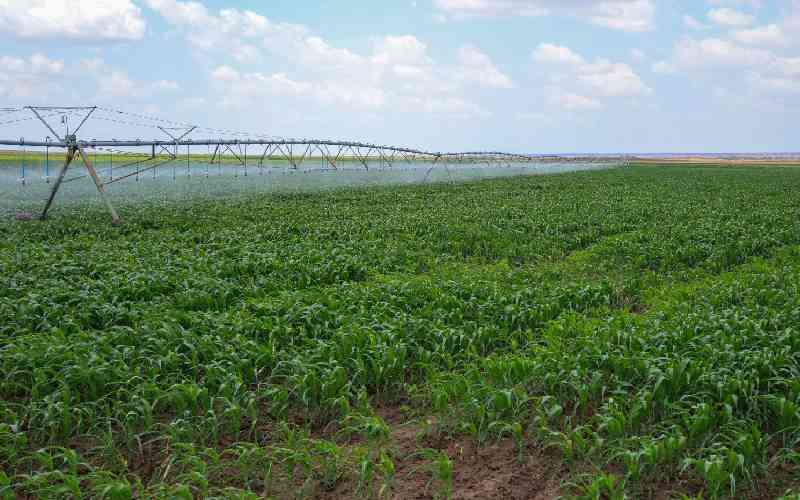
Science matters because it can improve systems that maintain peace. Through science, we can strengthen food systems, prevent health pandemics, increase access to and retention in education, and contribute to shared prosperity. The digital age presents an opportunity to accelerate innovation across sectors. Climate modelling can, for example, guide water planning. Fintech can improve financial inclusion. Precision agriculture can improve food production.