
Scientists have confirmed that a North Atlantic right whale calf spotted off Quebec in September was a previously uncounted baby from the most recent calving season, raising the season’s total to 24. The discovery, reported by the Associated Press (AP) and confirmed through analysis by the New England Aquarium, is a rare bright spot for one of the world’s most endangered large whales, whose global population is estimated at only about 380 animals.The calf was photographed beside its 38-year-old mother, a whale researchers know as Silt, near Anticosti Island in Quebec. Researchers with the Mingan Island Cetacean Study first recorded the pair, and scientists later matched photographs and data to determine that the young whale had escaped detection during the winter surveys normally used to document right whale births.A welcome surpriseNorth Atlantic right whales are so rare and so closely watched that researchers usually identify calves soon after they are born. The whales give birth in the warmer waters off the southeastern United States during winter, then migrate north to feeding grounds off New England and Canada as the seasons change.That makes the late discovery especially unusual. Despite extensive boat-based and aerial surveys along the U.S. East Coast throughout spring and summer, scientists did not see the calf until researchers in Quebec photographed it months later.
Scientists discover uncounted right whale calf off Canada, bringing season's total to 24 amid population of 380
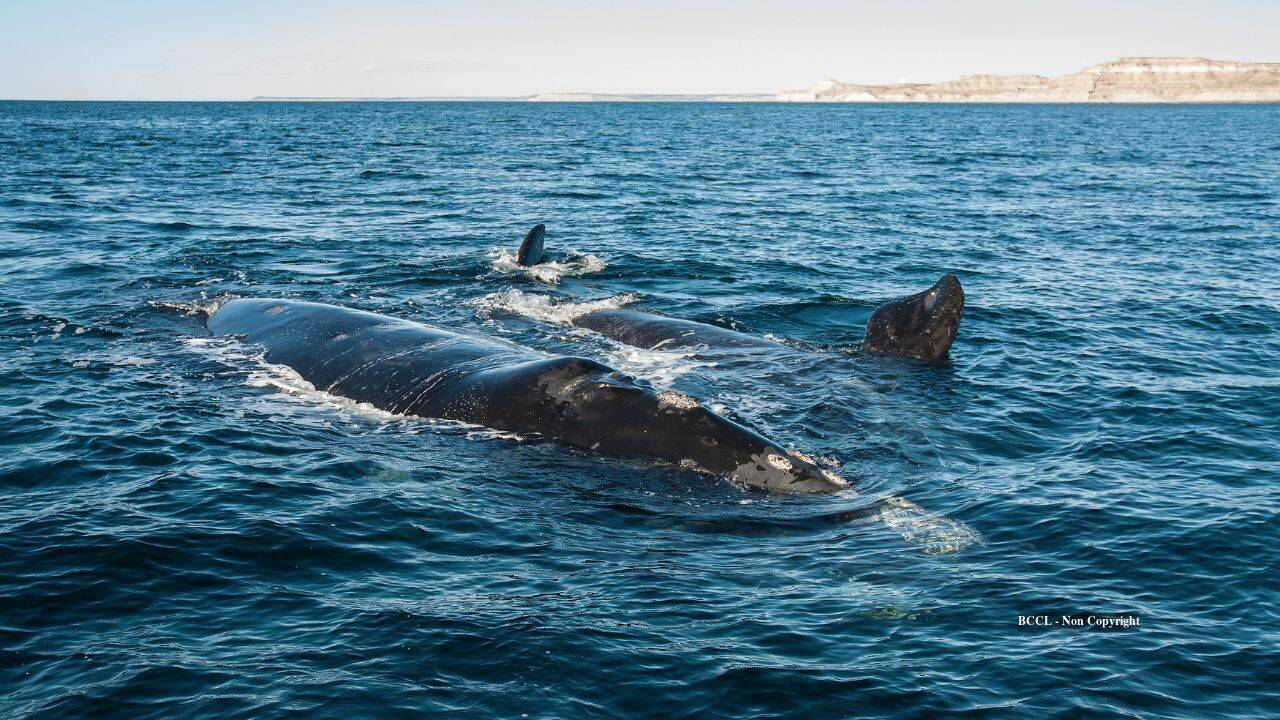
In a remarkable development, scientists have confirmed the sighting of a previously unrecorded North Atlantic right whale calf near Quebec, bringing this season's total to 24, the highest since 2009. Researchers believe the calf's mother, Silt, gave birth in the warmer waters of the southeastern U.S. Despite this positive news, the North Atlantic right whale population remains critically endangered, with an…
In brief
Scientists have confirmed that a North Atlantic right whale calf spotted off Quebec in September was a previously uncounted baby from the most recent calving season, raising the season’s total to 24. The whales give birth in the warmer waters off the southeastern United States during winter, then migrate north to feeding grounds off New England and Canada as the seasons change.That makes the late discovery especially unusual. East Coast throughout spring and summer, scientists did not see the calf until researchers in Quebec photographed it months later.
This is the opening of the story, shared with credit to The Times of India — World. The rest of the report — with every detail — continues on the publisher’s website.
Continue reading at The Times of India — World ↗