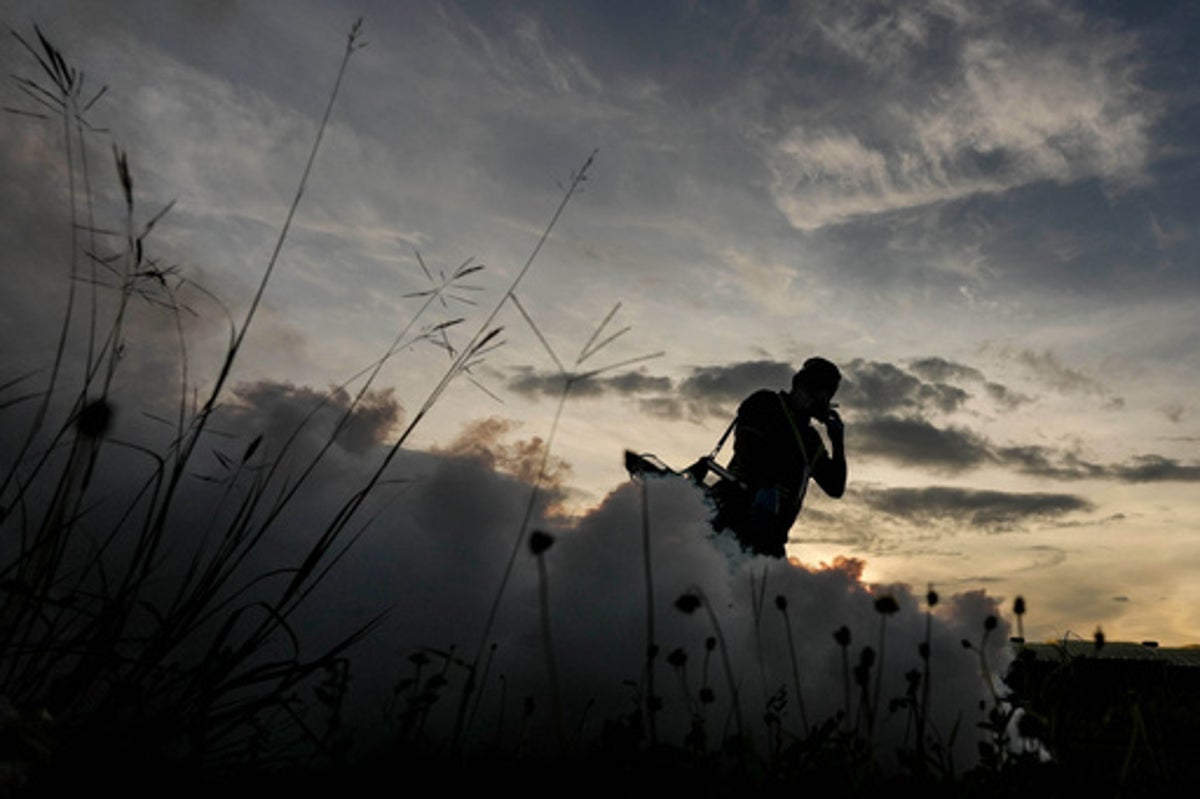
Young people in sub-Saharan Africa missing nearly 100 days of school due to malaria, research says

Young people in sub-Saharan Africa missing nearly 100 days of school due to malaria, research says

Malaria No More UK calls on donors – including the UK government – to continue investing in major global health bodies such as the Global Fund to fight Aids, TB and Malaria in the age of aid cuts

Want to bookmark your favourite articles and stories to read or reference later? Start your Independent Membership today.

Malaria has forced young people entering the workforce in sub-Saharan Africa today to miss nearly 100 days of school on average, according to new research.

The missed education means they are likely to earn 10 per cent less than they otherwise would over their lifetimes, the report from campaign group Malaria No More UK warned.

Campaigners urged international donors to boost spending to tackle malaria, amid fears of a resurgence of the disease. Cases are around a fifth higher now than they were in 2015, with over 280 million cases annually.

Malaria can be deadly, killing around 610,000 people a year – most of whom are African children aged five or under. The new report highlights the long-term impact even on survivors.

The disease, spread by mosquitoes, causes high fevers that mean a child must stay off school or go to hospital to recover, falling behind their peers. Some rare cases result in brain problems that permanently impair their ability to learn.

The African Leaders Malaria Alliance has estimated that falling international aid spending could result in a 30 per cent shortfall in malaria funding in coming years.

In brief

Want to bookmark your favourite articles and stories to read or reference later? Malaria has forced young people entering the workforce in sub-Saharan Africa today to miss nearly 100 days of school on average, according to new research. The African Leaders Malaria Alliance has estimated that falling international aid spending could result in a 30 per cent shortfall in malaria funding in coming years.

This is the opening of the story, shared with credit to The Independent — World. The rest of the report — with every detail — continues on the publisher’s website.

Continue reading at The Independent — World ↗

Cookie settings

Choose which cookies we may use. You can change this at any time from Cookie settings in the footer. Details of each cookie are in the Cookie Policy.

Strictly necessary

Needed for sign-in, security, payments and remembering these choices. Always on.

Preferences

Remember settings such as dark mode.

Analytics & performance

Help us count visits, understand which pages, devices and countries our readers use, and measure how well the site performs – anonymous and aggregated.

Advertising & marketing

Lets advertising partners show and personalise adverts, measure impressions, clicks and visits, prevent ad fraud and pay us – this is how the free site is funded.

🔔 News notifications

Get headlines from NewsHub on this device — even when the site is closed.

You can switch this off at any time. Works on Android, Windows, Mac and Linux browsers; on iPhone/iPad add the site to your Home Screen first.