
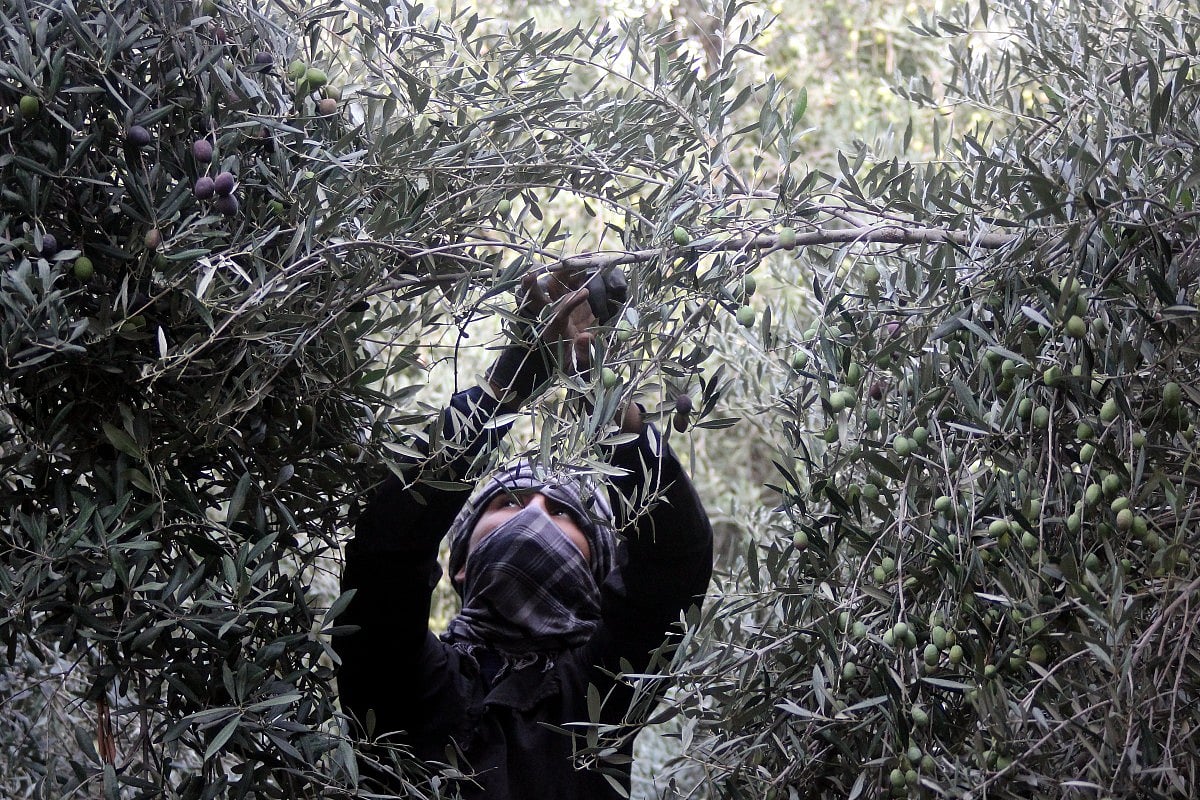
Olives tumble with a gentle "plop" onto a tarpaulin in eastern Afghanistan, an unusual, drought-resistant harvest offering hope to farmers who have struggled as climate change worsens water shortages.
Drought and water scarcity affect more than half of the country's population, according to the UN, pushing some farmers to seek alternatives to maize, rice or wheat.
Abdullah Orzala's olive grove, first planted 15 years ago on his family's land in Saidan Arabi village, in eastern Nangarhar province, is one such success story.
"I said to myself, "let's try something," because the important thing for me in agriculture is that we have to think about water resources and how to adapt to climate change," he said.
"And the olive tree is one of the best drought-resistant trees in the world."
The gnarled evergreens also strengthen human resilience to climate change by improving soil health and reducing erosion, according to the UN's Food and Agriculture Organization (FAO).
Get it: Fast, verified news for FREE ... download the Gulf News app — simply click here
That is useful in Nangarhar, where farmers have been facing crop failures and competition over shrinking water resources, according to UN press release in June.
"Other things like wheat, like rice, like onions, you have to give them more water, but olive trees don't need a lot of…
