Three years after Youssef Ziadna risked his life to rescue 30 Israelis from the Hamas massacre at the Nova music festival, Israeli authorities have demolished the homes of members of the Bedouin driver's family in the unrecognized village of al-Ziadna. Dozens more buildings in their village, which has about 5,000 residents and is located near the southern Arab-Israeli city of Rahat, face demolition orders. Israel has celebrated Ziadna as a national hero. He was awarded Israel's highest civilian honor for bravery by President Isaac Herzog, and selected to light a torch at Israel's 2024 Independence Day ceremony. But he said the government's crackdown on illegal construction made that recognition feel hollow.“After everything we did on October 7, running around and risking our lives, doing whatever we could, none of it has any meaning,” he told the Jewish Telegraphic Agency. “In the end, you're still an Arab.”The plight of Ziadna highlights long-simmering tensions over Bedouin housing in the Negev. Bedouin illegal or unrecognized villages pre-date Israeli stateAn estimated 90,000 Bedouins live in dozens of unrecognized villages across the Negev, many without reliable running water, electricity, paved roads or sewage systems, while their homes remain vulnerable to demolition because they are deemed by the state to be illegal.
Three years after Bedouin hero rescued 30 people on Oct. 7, Israel destroyed his family’s homes
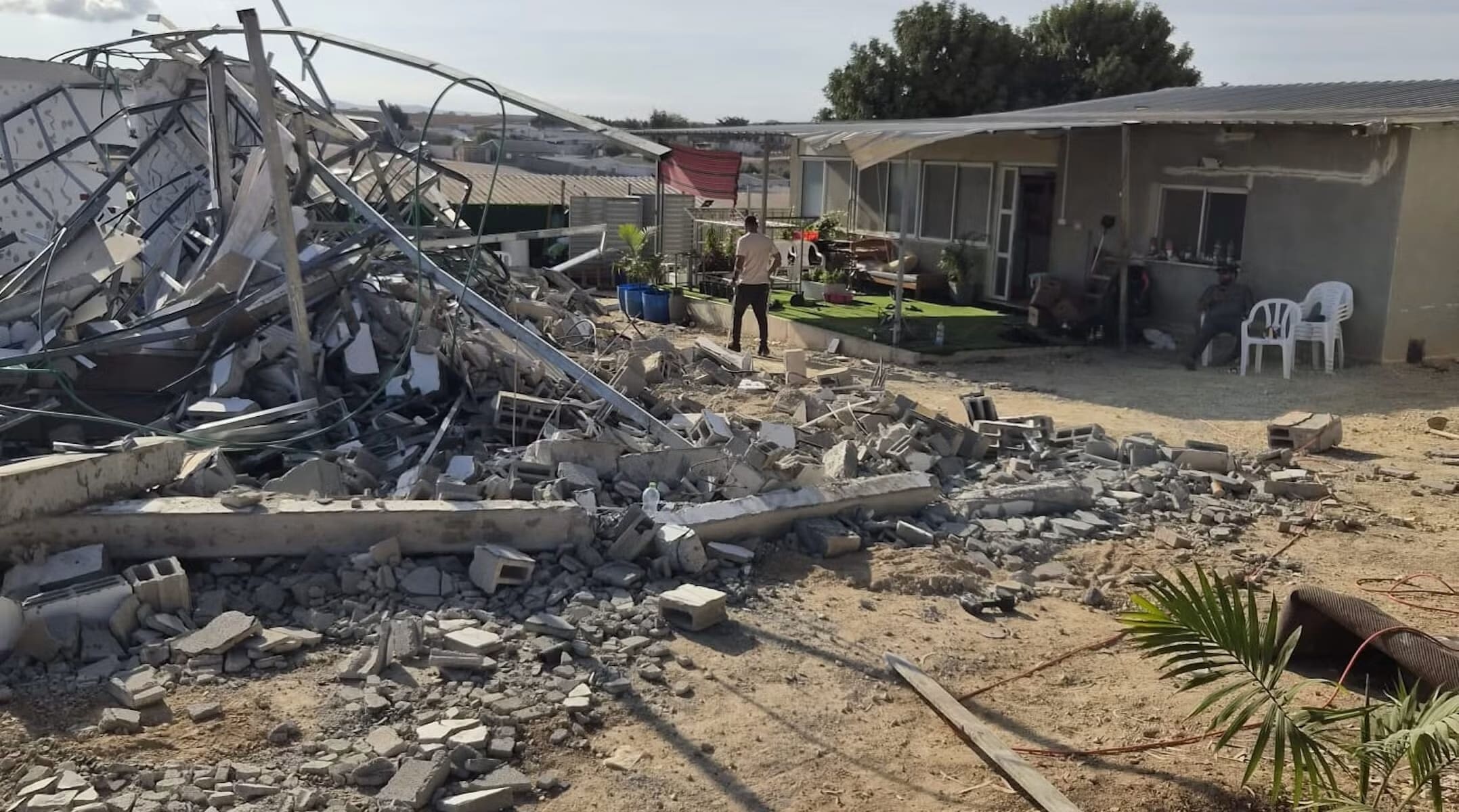
“After everything we did on Oct. 7, running around and risking our lives, doing whatever we could, none of it has any meaning,” he told the Jewish Telegraphic Agency. “In the end, you’re still Arab."
In brief
Three years after Youssef Ziadna risked his life to rescue 30 Israelis from the Hamas massacre at the Nova music festival, Israeli authorities have demolished the homes of members of the Bedouin driver's family in the unrecognized village of al-Ziadna. Israel has celebrated Ziadna as a national hero. “In the end, you're still an Arab.”The plight of Ziadna highlights long-simmering tensions over Bedouin housing in the Negev.
This is the opening of the story, shared with credit to The Jerusalem Post. The rest of the report — with every detail — continues on the publisher’s website.
Continue reading at The Jerusalem Post ↗