
The new Knesset was sworn in on Tuesday, marking the start of another parliamentary term and potentially a new chapter in Israeli politics.Politicians have spent the past several months negotiating, maneuvering, making demands, drawing red lines, and trying to work out who will sit with whom in the next government – all unavoidable parts of the democratic process in Israel.Whether MK Gadi Eisenkot succeeds in forming a government, whether the haredi (ultra-Orthodox) or Arab parties eventually join him, and whether Prime Minister Benjamin Netanyahu manages to remain in power are questions that will be answered in the coming weeks.None of them, however, should prevent the country's elected representatives from getting down to business.The unique political circumstances may have complicated the Knesset's composition and forming a coalition a challenge, but they have created an opportunity to advance legislation and address issues that affect Israelis every day while negotiations continue.Urgent national challenges demand cooperation across political dividesThere are issues on which lawmakers from across the political spectrum should be able to agree, or at least find common ground: the need for a sustainable military conscription framework, the fight against rampant crime in the Arab sector, the rehabilitation of communities affected by the war, the cost of living, and the restoration of public trust in state institutions are not exclusively left-wing or right-wing…
Israel's 26th Knesset must tackle urgent national needs as coalition talks drag on - editorial
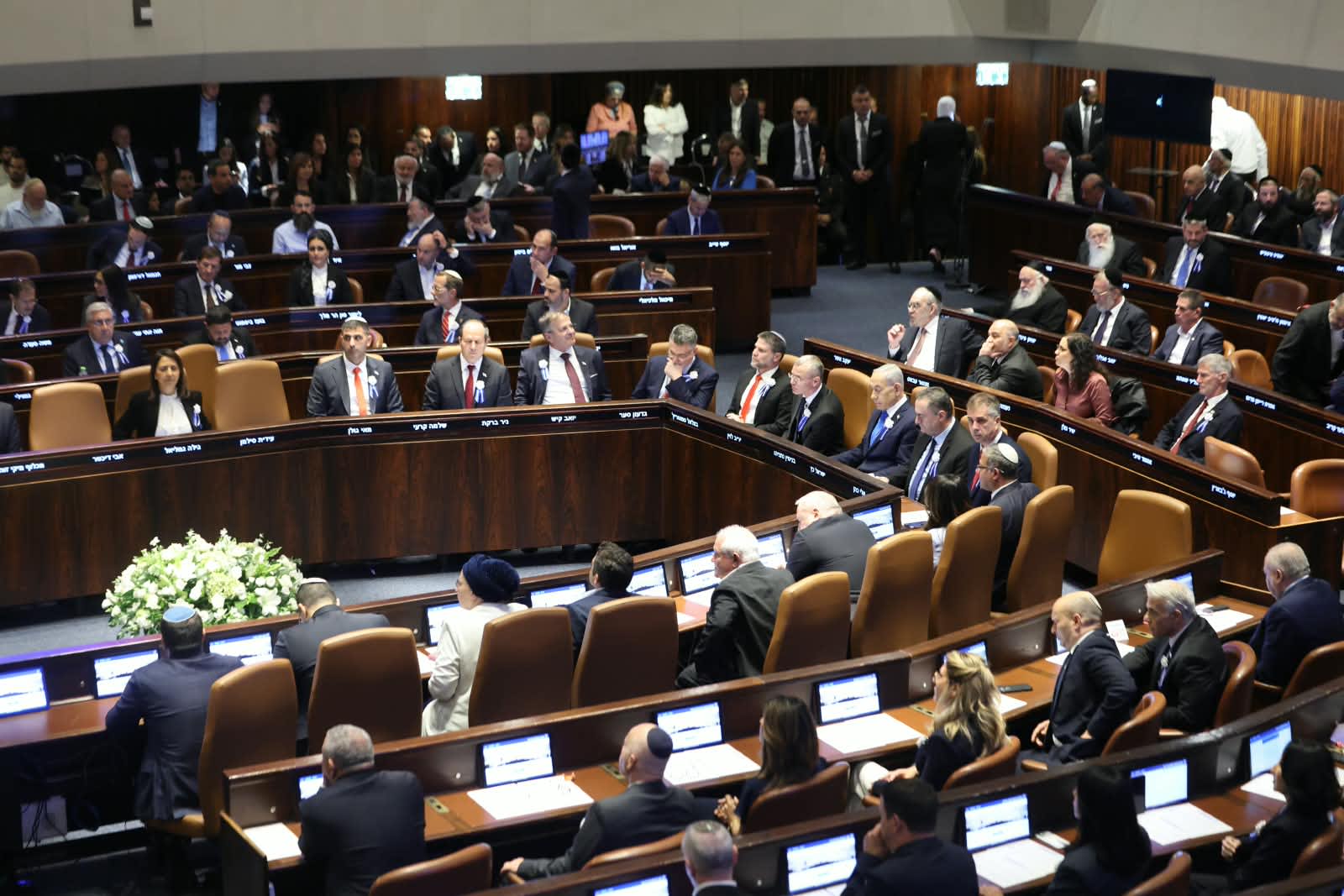
Israel cannot afford to wait for coalition negotiations to conclude. The newly elected Knesset must begin addressing urgent national challenges without delay.
In brief
The new Knesset was sworn in on Tuesday, marking the start of another parliamentary term and potentially a new chapter in Israeli politics.Politicians have spent the past several months negotiating, maneuvering, making demands, drawing red lines, and trying to work out who will sit with whom in the next government – all unavoidable parts of the democratic process in Israel.Whether MK Gadi Eisenkot succeeds in forming a government, whether the haredi (ultra-Orthodox) or Arab parties eventually join him, and whether Prime Minister Benjamin Netanyahu manages to remain in power are questions that will be answered in the coming weeks.None of them, however, should prevent the country's elected…
This is the opening of the story, shared with credit to The Jerusalem Post. The rest of the report — with every detail — continues on the publisher’s website.
Continue reading at The Jerusalem Post ↗