
We often associate hospitals and treatment with doctors. While they are the heroes who help us recover, we sometimes forget the other people who make our experience a little easier. Nurses work day and night, often putting their own needs aside to care for patients, comfort worried families and help with the little things we might otherwise overlook. They are there during some of the most frightening and vulnerable moments of our lives, and their kindness can stay with us long after we leave the hospital.One such unsung hero is Australian nurse Karen Barlow, who is preparing to retire after spending 27 years with the Royal Flying Doctor Service (RFDS), bringing medical care to people living in some of Australia's most remote communities. While her career has taken her across thousands of kilometres, introduced her to royalty and given her experiences most people can only imagine, she says it is not the grand moments she remembers most. Instead, it is the sight of parents holding their sick children's hands, reassuring them through difficult journeys.A career that took nursing to the skiesFor most nurses, a typical day might involve working in a hospital ward, attending to patients or helping doctors with treatments. But Barlow's workplace was a little different.
After 27 years, nurse Karen Barlow retires; memorable moments are parents holding sick children's hands
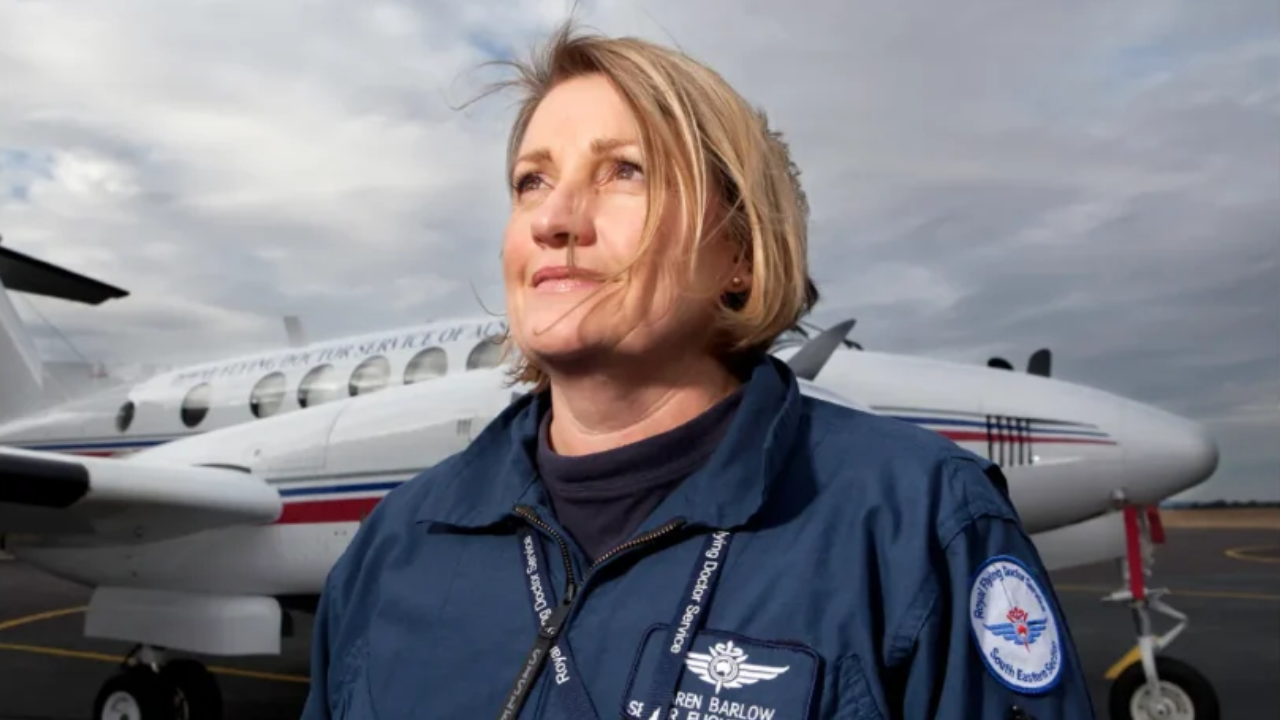
Karen Barlow marks the end of a remarkable 27-year journey with the Royal Flying Doctor Service in Australia. Her dedication to providing vital medical assistance to those in isolated regions is commendable. Barlow not only offered solace during treacherous medical flights but also fostered strong connections with families in crisis. Among her memorable moments, she met King Charles and Queen Camilla.
In brief
We often associate hospitals and treatment with doctors. Instead, it is the sight of parents holding their sick children's hands, reassuring them through difficult journeys.A career that took nursing to the skiesFor most nurses, a typical day might involve working in a hospital ward, attending to patients or helping doctors with treatments. But Barlow's workplace was a little different.
This is the opening of the story, shared with credit to The Times of India — World. The rest of the report — with every detail — continues on the publisher’s website.
Continue reading at The Times of India — World ↗