
A snake species that is known to have inhabited parts of Iran and Pakistan has now been officially recorded in India’s diverse list of reptiles. Found in the northern parts of the Thar Desert, the three snakes were documented in the Sikar district of Rajasthan. Their discovery has now offered researchers an opportunity to understand the distribution of a species whose presence may have gone unnoticed in the past few years.According to a research paper published in the Journal of Threatened Taxa on May 26, 2026, researchers Vivek Sharma and Dharmendra Khandal have documented the presence of the Sistan sand boa (Eryx sistanensis) in India, making this the first confirmed record of the species in the country.The first snake was documented on August 19, 2025, at around 9:30 pm, inside a cowshed near Goshala. The second was found on September 12 in Sunda ki Dhani, after a local boy caught the snake in his courtyard and had been playing with it before it was taken to safety. The third individual was documented on September 21, in the Rukansar area, where it was found in a pile of bricks at a house under construction.The snakes have not been discovered in typical sand dune areas, but in and around residences and farmlands.
Researchers recorded three Sistan sand boas in Rajasthan's Sikar district
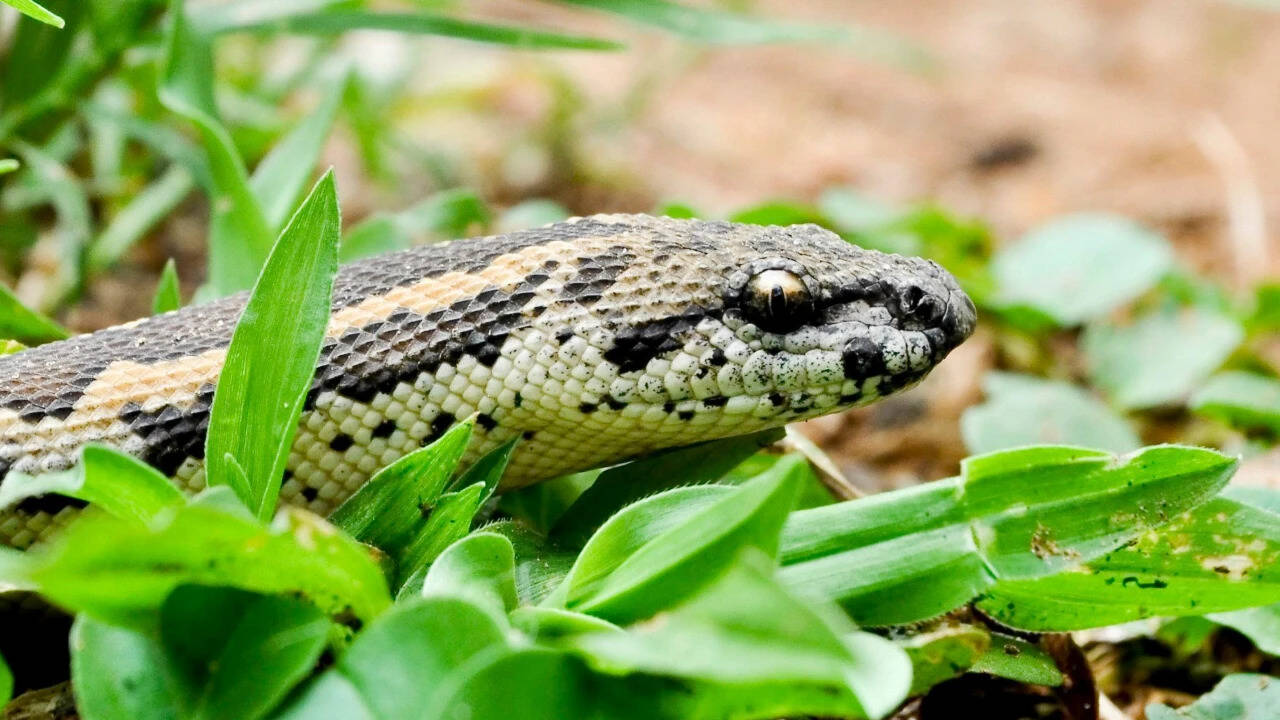
In a groundbreaking discovery, three Sistan sand boas have been identified in Sikar district, Rajasthan, a first for the nation. Researchers pointed out unique characteristics that set this species apart from the Indian red sand boa. Interestingly, these snakes inhabit urban and agricultural regions, deviating from their usual sand dune habitats.
In brief
A snake species that is known to have inhabited parts of Iran and Pakistan has now been officially recorded in India’s diverse list of reptiles. Found in the northern parts of the Thar Desert, the three snakes were documented in the Sikar district of Rajasthan. The third individual was documented on September 21, in the Rukansar area, where it was found in a pile of bricks at a house under construction.The snakes have not been discovered in typical sand dune areas, but in and around residences and farmlands.
This is the opening of the story, shared with credit to The Times of India — World. The rest of the report — with every detail — continues on the publisher’s website.
Continue reading at The Times of India — World ↗