Going to the park can help children’s mental health and social skills as they grow up, according to a new study. Researchers found that children who were taken to the park at least once a week from birth to the age of 11 scored, on average, 16.5% higher in their mental health assessments than those who visited less than once a week over the same period. The benefits remained even after adjusting for socioeconomic status and family problems. “Parks give children space to be physically active, which is known to support mental and physical health, as well as helping adventurous and imaginative play to build confidence and independence,” said lead researcher Mark Ferguson of the University of Exeter in the United Kingdom.“We believe parks could be more than places to play, but an important resource for children’s healthy development,” he added. The study, published in the journal Epidemiology and Community Health, included 4,219 participants and focused on social-emotional development — the skills children need to manage their feelings, build relationships, behave appropriately and cope with everyday challenges. Strong social-emotional development is an important foundation for good mental health in childhood and later life, the authors noted. The study found that children tended to show better social-emotional development during periods when they went to parks more often.
This free habit could boost your child’s mental health
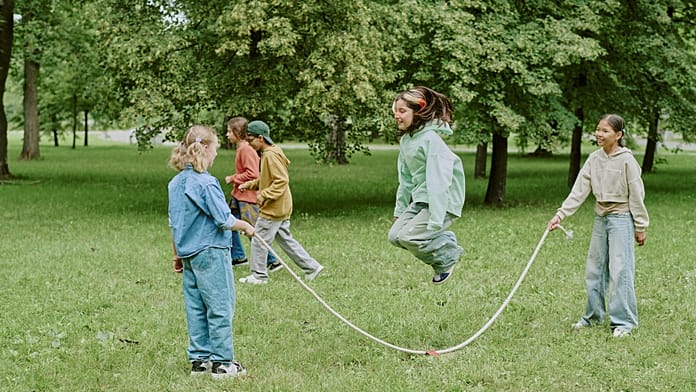
Regular trips to the park from birth to age 11 are linked to better mental health and social skills in children, a new study has found.
In brief
Going to the park can help children’s mental health and social skills as they grow up, according to a new study. Strong social-emotional development is an important foundation for good mental health in childhood and later life, the authors noted. The study found that children tended to show better social-emotional development during periods when they went to parks more often.
This is the opening of the story, shared with credit to Euronews. The rest of the report — with every detail — continues on the publisher’s website.
Continue reading at Euronews ↗