
The proportion of children living with both parents was higher in urban areas, at 59 per cent, compared with 50 per cent in rural areas.
By Janet Akinyi
From being excluded from family photographs to being denied access to ancestral homes, some children grow up carrying the burden of family conflicts they had no part in creating.
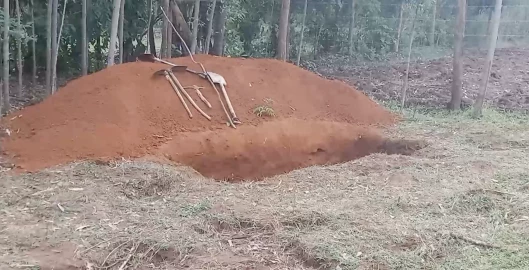
Imagine standing at your grandmother's graveside after her burial, only to be asked to step aside to make room for the other grandchildren for a family photograph.
You, too, are a grandchild. You share the same bloodline. But in the eyes of some family members, you do not quite belong.
That was the painful experience of Julia Awuor, whose exclusion at her paternal grandmother's burial brought back memories of a childhood spent on the margins of her own family.
Julia was her late father's fifth child, born to a woman who had been inherited by her father's cousin. Growing up with her younger brother, she says, meant struggling for basic necessities, including school fees, food, clothing and shelter, while her biological father led a relatively comfortable life with another family.
Despite knowing her paternal relatives and sharing a bloodline with them, Julia says she never enjoyed the same acceptance as the other children in the family.
