Bomb threats, disrupted flights, and cyberattacks on supermarket refrigeration systems have raised concerns about a broader campaign of destabilization across Europe. While suspicions have fallen on Russia and Iran, two analysts warn that the available evidence does not yet establish whether the incidents are connected, who is responsible, or whether a larger geopolitical strategy is unfolding. A series of security incidents across Europe, from bomb threats targeting commercial flights to cyberattacks against supermarket refrigeration systems and mass evacuations of Italian schools, is raising questions about the continent's vulnerability to disruption below the threshold of conventional warfare. On Wednesday, November 11, more than 300 schools across Italy were evacuated after an anonymous email warning of explosive devices was distributed to approximately 6,300 educational institutions. Similar messages reached hundreds of schools in Scotland, Northern Ireland and the Republic of Ireland, forcing authorities to assess the threats and determine whether precautionary evacuations were necessary. Italian Prime Minister Giorgia Meloni said preliminary security checks had found no indication of a concrete danger. Nevertheless, the scale of the warnings disrupted classrooms and families across the country, extending a wave of incidents that had already affected European aviation and other civilian services. The latest episode follows earlier threats against Italian schools on October 19 and November 2, when approximately 280 institutions reportedly received threatening messages.
Who is behind Europe’s wave of bomb threats, cyberattacks?
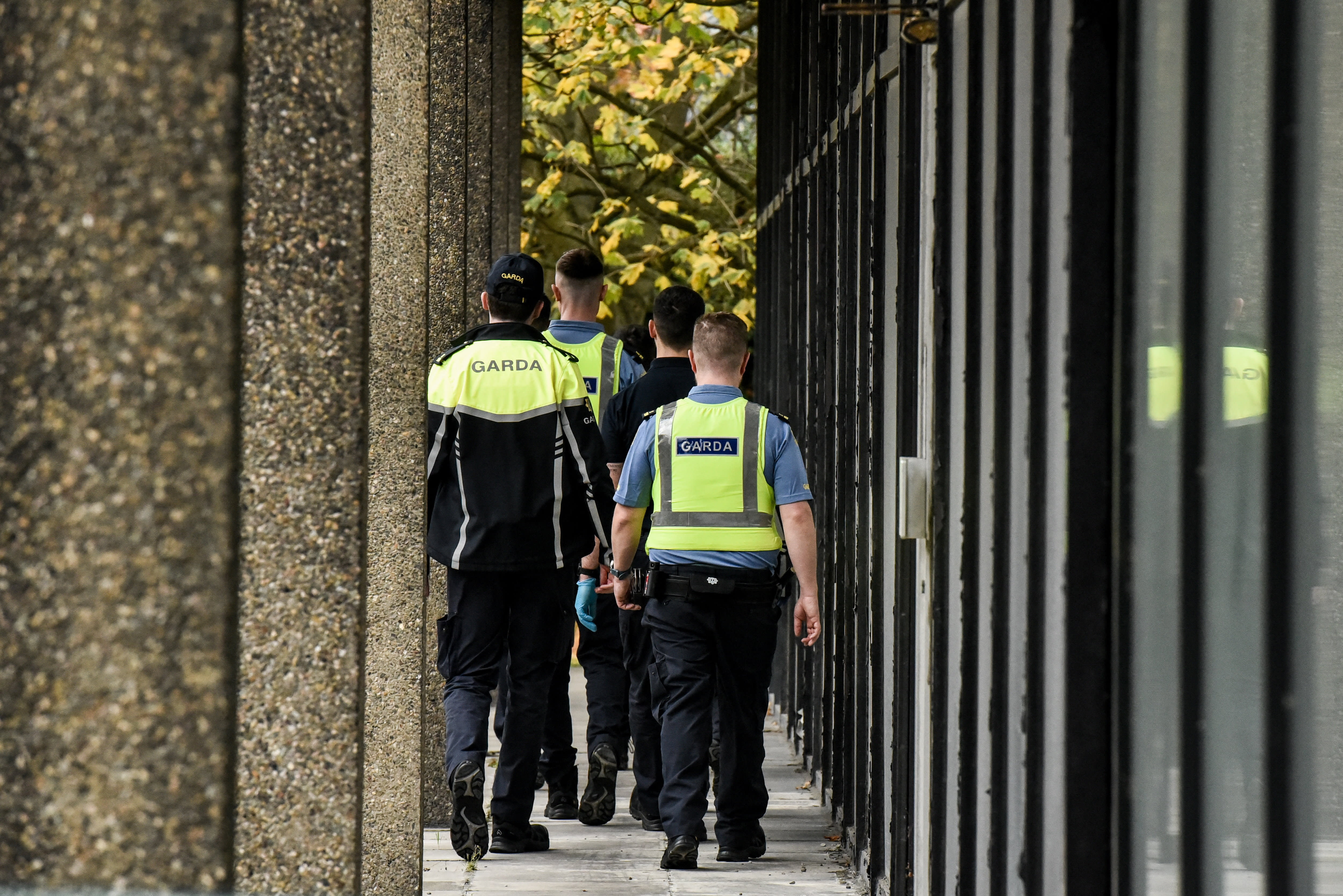
“Targeting schools can maximize fear, media attention and pressure on the authorities, while involving relatively low costs and operational risks,” said intelligence expert Daniele Garofalo.
In brief
Bomb threats, disrupted flights, and cyberattacks on supermarket refrigeration systems have raised concerns about a broader campaign of destabilization across Europe. A series of security incidents across Europe, from bomb threats targeting commercial flights to cyberattacks against supermarket refrigeration systems and mass evacuations of Italian schools, is raising questions about the continent's vulnerability to disruption below the threshold of conventional warfare.
This is the opening of the story, shared with credit to The Jerusalem Post. The rest of the report — with every detail — continues on the publisher’s website.
Continue reading at The Jerusalem Post ↗