What are fossil fuels?

What are fossil fuels?

They are in our shampoo bottles, power our cars and heat our homes. But what actually are fossil fuels and why do they matter?

Whether in the form of crumbly rock, odorless gas or slick black liquid, ancient organic compounds have powered the flourishing of modern life. But now they threaten to make the planet unliveable for many plants, animals and humans.

The collective term refers to coal, oil and natural gas — a group of energy sources that contain carbon and hydrogen.

They started life hundreds of millions of years ago as living plants and animals. When they died, they sank to the bottom of oceans and swamps where they decomposed under layers of sediment.

Over time, this matter was buried deeper and deeper into the earth, subjecting it to increasing pressure and heat which changed its chemical composition. Plants and trees transformed into coal, whereas microscopic plankton and algae became oil and — if the heat and pressure increased further — gas.

Today fossil fuels can be found in the earth's crust all around the world although some countries — such as the US, Saudi Arabia and Russia — have bigger reserves than others.

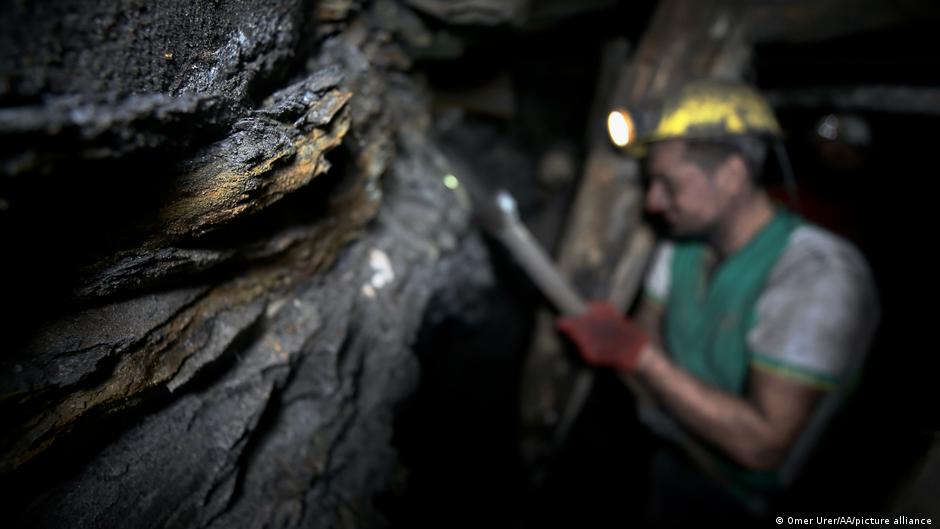
Coal, found in underground coal beds, is extracted by mining, whereas oil and gas, found in reservoirs beneath the land and ocean, are accessed by drilling.

To view this video please enable JavaScript, and consider upgrading to a web browser that supports HTML5 video


In brief

Whether in the form of crumbly rock, odorless gas or slick black liquid, ancient organic compounds have powered the flourishing of modern life. Plants and trees transformed into coal, whereas microscopic plankton and algae became oil and — if the heat and pressure increased further — gas. Coal, found in underground coal beds, is extracted by mining, whereas oil and gas, found in reservoirs beneath the land and ocean, are accessed by drilling.

This is the opening of the story, shared with credit to DW — Top stories. The rest of the report — with every detail — continues on the publisher’s website.

Continue reading at DW — Top stories ↗

Cookie settings

Choose which cookies we may use. You can change this at any time from Cookie settings in the footer. Details of each cookie are in the Cookie Policy.

Strictly necessary

Needed for sign-in, security, payments and remembering these choices. Always on.

Preferences

Remember settings such as dark mode.

Analytics & performance

Help us count visits, understand which pages, devices and countries our readers use, and measure how well the site performs – anonymous and aggregated.

Advertising & marketing

Lets advertising partners show and personalise adverts, measure impressions, clicks and visits, prevent ad fraud and pay us – this is how the free site is funded.

🔔 News notifications

Get headlines from NewsHub on this device — even when the site is closed.

You can switch this off at any time. Works on Android, Windows, Mac and Linux browsers; on iPhone/iPad add the site to your Home Screen first.