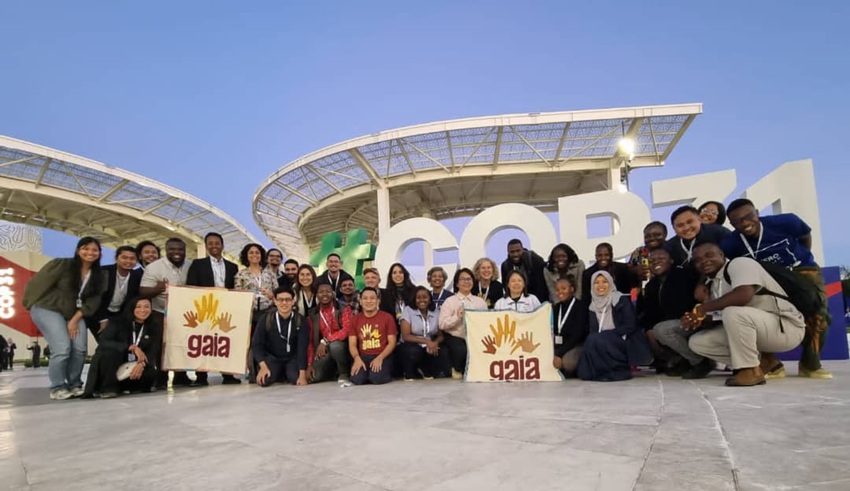
As world leaders gather at COP31 to advance climate action, climate advocates, researchers, youth leaders, and local government representatives are calling on governments and climate financiers to reject incineration and invest in real zero waste solutions.
At the press conference “Zero Waste COP- Incinerators Out. Zero Waste In.”, speakers highlighted why addressing the climate impact of waste requires moving upstream through waste prevention, reuse, repair, redesign, and composting—not expanding disposal infrastructure.
“Zero waste is climate action—but only when we address the problem at its source. We cannot solve the waste crisis by building more infrastructure to burn or dispose of what we produce,” said Mariel Vilella, Climate Program Director at GAIA.
“Preventing waste, expanding reuse and composting organic materials are practical and proven solutions that can cut emissions while delivering benefits for communities.”
The climate impacts of waste extend beyond disposal. Plastic production is deeply tied to fossil fuels, with emissions occurring across its lifecycle. Mohamed Kamal, Coordinator, Climate Action Network Arab World (CANAW), emphasized: “We cannot tackle climate change while allowing plastic production to keep expanding. Reducing plastic production and scaling reuse must be part of any credible climate strategy.”
The growing promotion of waste-to-energy incineration is another concern.