
What if you’re shopping for the perfect top for your night out and fall in love with this beautiful sparkly number, just to find out it is sold out in your size? What I can only imagine would be tenfolds the amount of the same disappointment; scientists have discovered a tiny fish with orange markings, only to find out that the species may already be at risk of extinction.Laimosemion laranja, a dazzling little killifish found in Brazil’s Amazon is barely three centimetres long, wears bright orange spots along its body and bold chevron-like markings near its tail. It is beautiful, unusual, and, perhaps most worryingly, found in only three small forest pools.A fish unlike any otherThe discovery was made in the Rio Cajari drainage in southern Amapá, a state in northern Brazil. Researchers from the Universidade Federal do Rio Grande do Norte, Instituto Peixe das Nuvens, Universidade Federal do Pará and the University of West Florida were surveying small rivers known locally as igarapés when they came across the fish. Its colour immediately stood out. Lead researcher Yuri Abrantes said the striking appearance of both males and females was unlike anything the team had encountered in the area before.At first, unusual colouring is not enough to declare a new species. Scientists need evidence, and plenty of it.
Scientists discovered a new orange-spotted fish which may already be on the brink of extinction
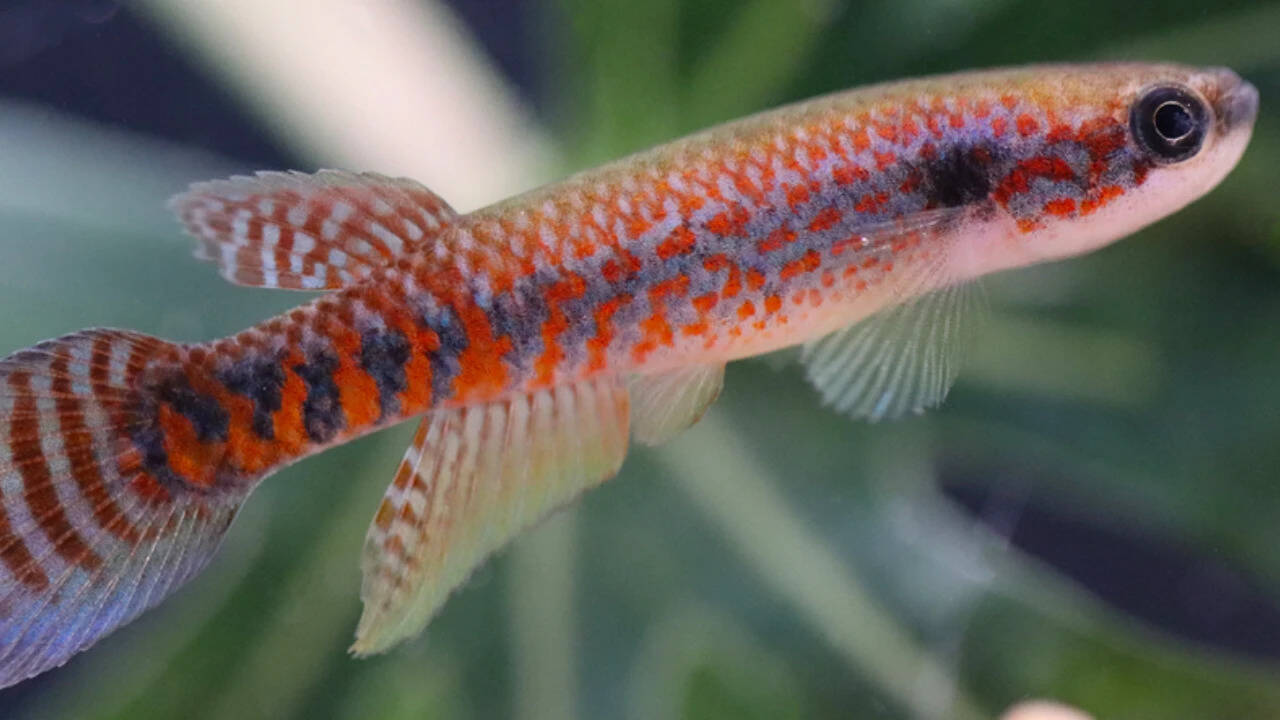
Researchers have unveiled Laimosemion laranja, a newly discovered species of killifish native to three isolated pools in Brazil. Facing grave threats from mining, deforestation, and urban pollution, this species is at risk of extinction. Through meticulous examinations and genetic analysis, scientists confirmed its uniqueness. To preserve this remarkable fish, they urge prompt protective measures to enhance its…
In brief
What if you’re shopping for the perfect top for your night out and fall in love with this beautiful sparkly number, just to find out it is sold out in your size? It is beautiful, unusual, and, perhaps most worryingly, found in only three small forest pools.A fish unlike any otherThe discovery was made in the Rio Cajari drainage in southern Amapá, a state in northern Brazil.
This is the opening of the story, shared with credit to The Times of India — World. The rest of the report — with every detail — continues on the publisher’s website.
Continue reading at The Times of India — World ↗