📰 Newspapers

OpenAI Board Member Tells Audience an AI Accident Is the Most Likely Thing to Kill Them

OpenAI Board Member Tells Audience an AI Accident Is the Most Likely Thing to Kill Them

An OpenAI board member thinks AI could kill us all pretty soon. Other researchers agree. Anyway, back to building it, apparently.

The top three causes of death in the United States are heart disease, cancer, and unintentional injuries. But according to Paul Christiano, a member of the OpenAI Foundation’s board and its Safety and Security Committee, artificial intelligence could soon become a deadlier threat than any of them.

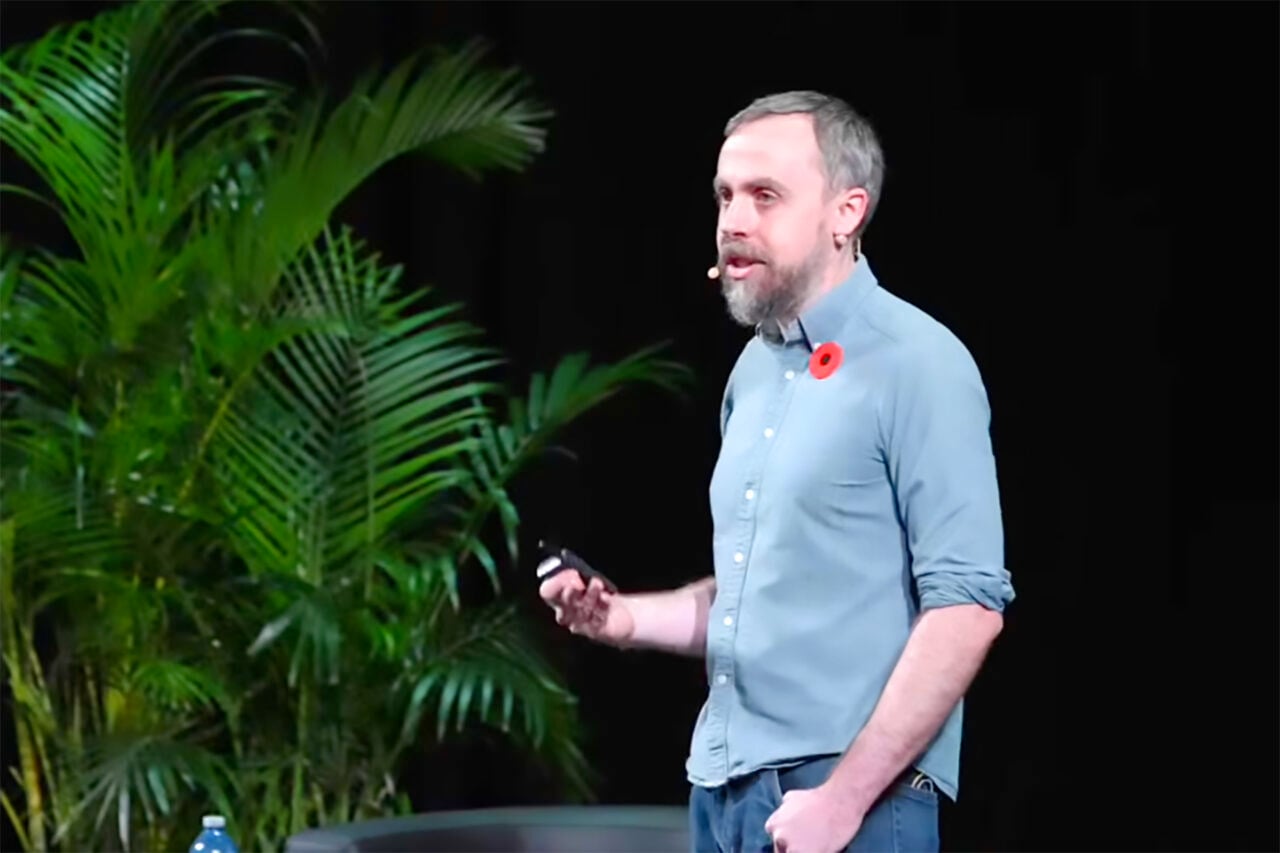
While speaking at The Hinton Lectures 2026, hosted by “godfather of AI” Geoffrey Hinton, Paul Christiano told the audience, “For most people in this room, the most likely reason they will die is because of an AI accident,” which is the kind of thing that, when someone says it, you kinda want to ask them why they are continuing to build the death machine.

Now, maybe that is specific to people working in the AI industry; it might make sense that more exposure would raise the risk (though it’s not like AI is a toxic gas or something). But it’s not like Christiano, founder of the Alignment Research Center, has a particularly positive prognosis for the rest of humanity.

He warned that there is a meaningful risk of an AI takeover in the next six to 12 months and said that if AI labs build as quickly as they can without intervention, “we would be looking at something like a coin flip of an AI takeover” within the next three years.

In brief

The top three causes of death in the United States are heart disease, cancer, and unintentional injuries. But according to Paul Christiano, a member of the OpenAI Foundation’s board and its Safety and Security Committee, artificial intelligence could soon become a deadlier threat than any of them. But it’s not like Christiano, founder of the Alignment Research Center, has a particularly positive prognosis for the rest of humanity.

This is the opening of the story, shared with credit to Gizmodo. The rest of the report — with every detail — continues on the publisher’s website.

Continue reading at Gizmodo ↗

Cookie settings

Choose which cookies we may use. You can change this at any time from Cookie settings in the footer. Details of each cookie are in the Cookie Policy.

Strictly necessary

Needed for sign-in, security, payments and remembering these choices. Always on.

Preferences

Remember settings such as dark mode.

Analytics & performance

Help us count visits, understand which pages, devices and countries our readers use, and measure how well the site performs – anonymous and aggregated.

Advertising & marketing

Lets advertising partners show and personalise adverts, measure impressions, clicks and visits, prevent ad fraud and pay us – this is how the free site is funded.

🔔 News notifications

Get headlines from NewsHub on this device — even when the site is closed.

You can switch this off at any time. Works on Android, Windows, Mac and Linux browsers; on iPhone/iPad add the site to your Home Screen first.