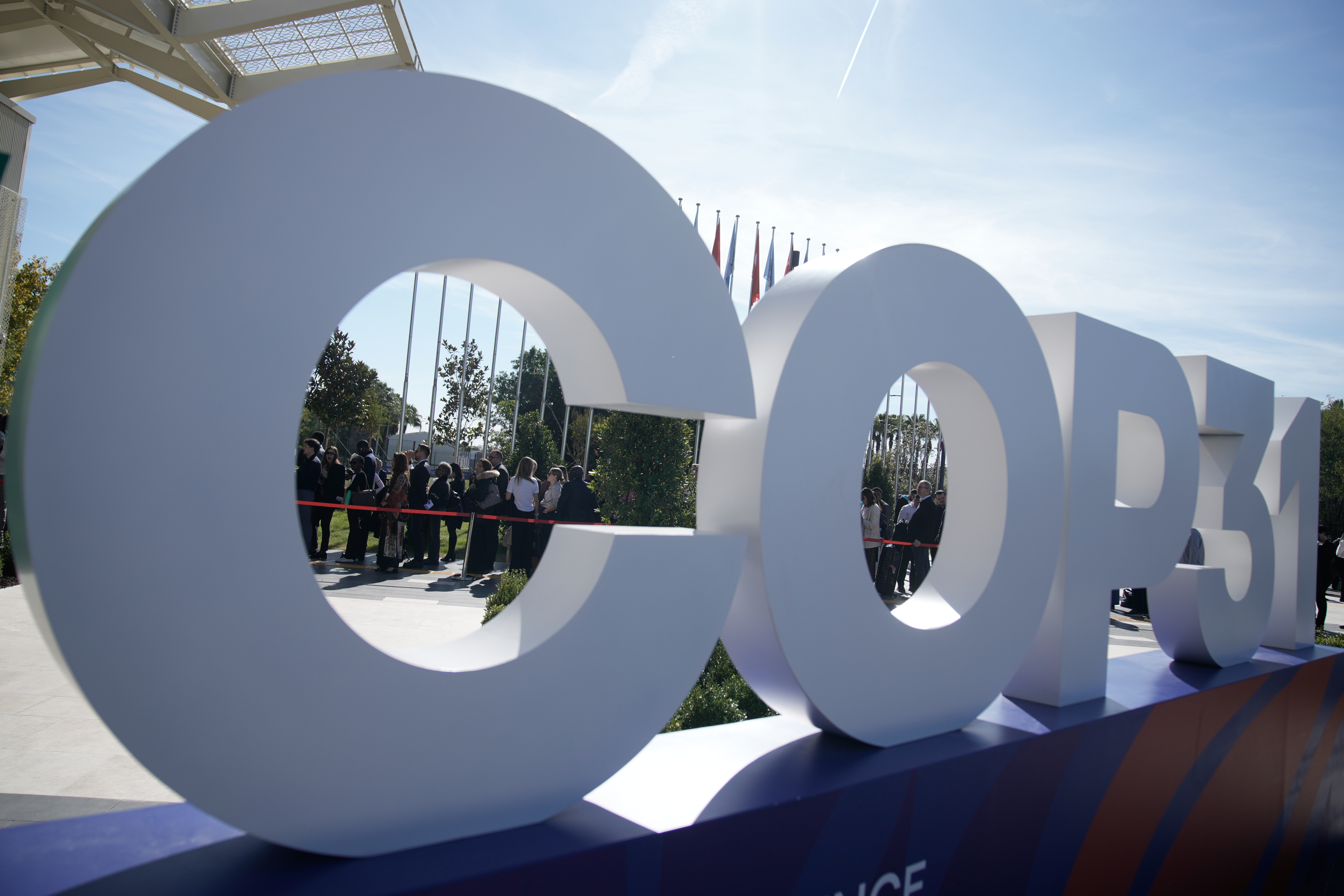
Clean public transport. Energy-efficient buildings. Affordable energy.
Those are a few of the things the president of the UN climate talks — known as COP31 — asked global leaders, delegates and climate activists to pledge as part of the global electrification plan laid out during the world’s largest annual climate summit.
But environmental and human rights organizations caution that without strong safeguards, the mining boom for the minerals and metals needed to make the power lines, batteries, wind turbines and other energy infrastructure that can make the pledge a reality could have serious environmental and human rights impacts across the globe.
Mining has come at a cost to communities and habitats around the globe: Forests have been felled, water supplies poisoned and Indigenous peoples have lost access to land. Rights groups have urged COP31 officials to focus on how to fairly source the materials needed for the transition.
Turkiye announced that electrification would be one of the main priorities during its copresidency of COP31 with Australia. The “35-by-35” global electrification pledge aims to increase the use of electricity from 21 percent to 35 percent by 2035 to reduce planet-warming greenhouse emissions, preferably from renewable energy such as solar and wind.
The pledge builds on commitments made at previous UN climate summits: At COP28, countries agreed to work toward tripling renewable…