📰 Newspapers

US disrupts North Korea's $400 million crypto scam, FBI says

US disrupts North Korea's $400 million crypto scam, FBI says

The US has seized servers linked to a North Korean scam that used fake video meetings and deepfakes to steal more than $400 million in crypto, and has moved to seize $1.2 billion that was taken from Binance.

The United States Justice Department said Thursday it had seized cloud infrastructure used by North Korean hackers in a video-call scam that has stolen more than $400 million (€361 million) in cryptocurrency over 18 months.

It also said it had court approval to seize or restrain more than $1.2 billion taken in the recent Binance hack.

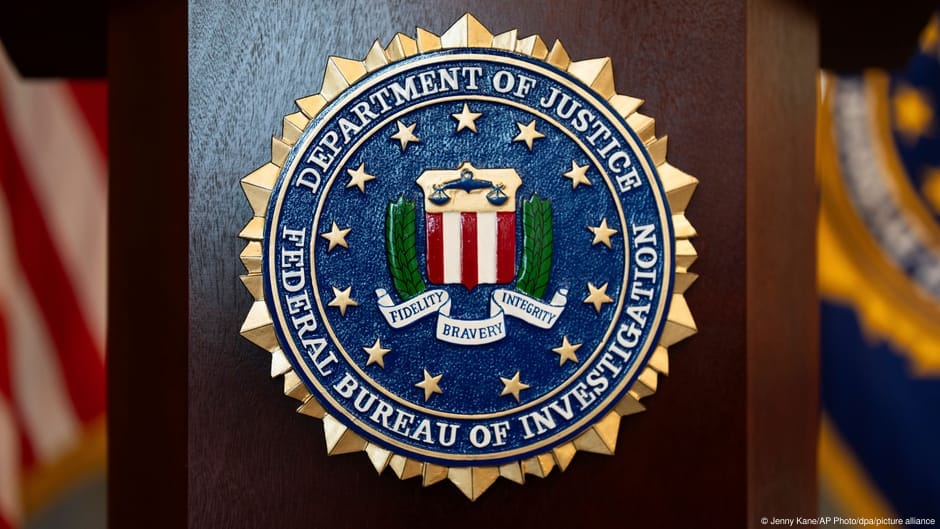
The Federal Bureau of Investigation calls the scam "FaceStealer."

According to the Justice Department, hackers sent meeting invitations from accounts taken over from earlier victims. Once a target joins, the hackers record their webcam video and play a prerecorded clip of a previous victim the target knows, so trusted contacts appear to be present. The FBI says hackers are also starting to use AI-generated deepfakes of well-known crypto figures.

The hackers then stage a fake technical error and offer a link to "fix" it, which installs malware, the department said. In some cases, they waited months, or over a year, before stealing funds.

After that, they use the victim's contacts to find new targets.

To view this video please enable JavaScript, and consider upgrading to a web browser that supports HTML5 video

Most targets work in crypto and other internet-related fields, and the hackers are increasingly going after open-source software developers, apparently to enable supply-chain attacks, the department said.

In brief

The United States Justice Department said Thursday it had seized cloud infrastructure used by North Korean hackers in a video-call scam that has stolen more than $400 million (€361 million) in cryptocurrency over 18 months. According to the Justice Department, hackers sent meeting invitations from accounts taken over from earlier victims. Once a target joins, the hackers record their webcam video and play a prerecorded clip of a previous victim the target knows, so trusted contacts appear to be present.

This is the opening of the story, shared with credit to DW — Top stories. The rest of the report — with every detail — continues on the publisher’s website.

Continue reading at DW — Top stories ↗

Cookie settings

Choose which cookies we may use. You can change this at any time from Cookie settings in the footer. Details of each cookie are in the Cookie Policy.

Strictly necessary

Needed for sign-in, security, payments and remembering these choices. Always on.

Preferences

Remember settings such as dark mode.

Analytics & performance

Help us count visits, understand which pages, devices and countries our readers use, and measure how well the site performs – anonymous and aggregated.

Advertising & marketing

Lets advertising partners show and personalise adverts, measure impressions, clicks and visits, prevent ad fraud and pay us – this is how the free site is funded.

🔔 News notifications

Get headlines from NewsHub on this device — even when the site is closed.

You can switch this off at any time. Works on Android, Windows, Mac and Linux browsers; on iPhone/iPad add the site to your Home Screen first.