We do everything, from going to the gym and measuring our calories with every bite to avoiding junk food, and yet somehow we still end up dealing with bloating, fatigue and other health concerns. But have we ever stopped to think about whether our everyday habits, particularly when it comes to eating, could be affecting our liver health?While most of us spend most of our time reading the labels and measuring the nutritional value of our food, we do think about what we are eating, but how about when we eat? Could that also affect how our body reacts to those highly nutritious items? According to a new study, that midnight craving might be doing you more harm than you probably think.We all have midnight cravings. A few snacks or even a small energy bar are enough for us, especially in this day and age when irregular eating schedules have become fairly common, particularly with demanding work routines and jobs. But our bodies have an internal biological clock, and the liver is no exception. It follows a daily rhythm that helps regulate how the body processes nutrients, stores energy and manages fat. Eating at times when the body demands rest may interfere with these natural processes.To understand this connection, researchers from Oregon Health & Science University examined data from nearly…
This one single habit at night was linked to a 20 to 30 per cent higher rate of fatty liver disease and cirrhosis in a US study of nearly 200,000 adults followed for decades by Oregon researchers.
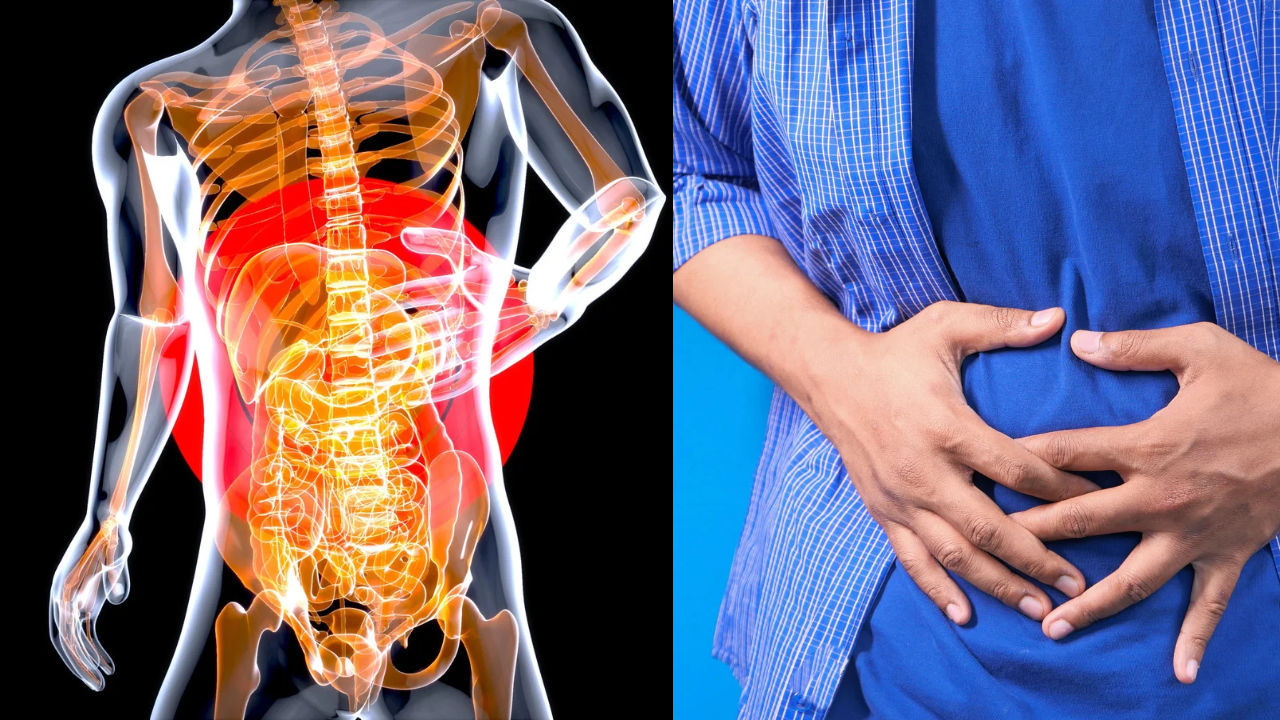
An intriguing study reveals that eating late at night can negatively impact liver health, contributing to greater risks of liver-related illnesses. Participants consuming late meals showed elevated instances of metabolic dysfunction-associated steatotic liver disease and cirrhosis. By examining data from nearly 200,000 adults, researchers advocate for maintaining consistent meal timing to support the liver's…
In brief
We do everything, from going to the gym and measuring our calories with every bite to avoiding junk food, and yet somehow we still end up dealing with bloating, fatigue and other health concerns. Eating at times when the body demands rest may interfere with these natural processes.To understand this connection, researchers from Oregon Health & Science University examined data from nearly…
This is the opening of the story, shared with credit to The Times of India — World. The rest of the report — with every detail — continues on the publisher’s website.
Continue reading at The Times of India — World ↗