
Early humans may have been collecting keepsakes to help remember locations and events as far back as half a million years, a new Israeli study suggests.The study, recently published in the journal Evolutionary Anthropology, studied collections of various objects found at prehistoric sites across northern and central Israel.It was led by Dr. Yoav Ram of Tel Aviv University's School of Zoology, Prof. Ran Barkai and Dr. Ella Assaf of the Department of Archaeology, in collaboration with Prof. Liad Mudrik of the School of Psychological Sciences, and Dr. Bar Efrati of the University of Oxford.While these collections seemingly served no practical purpose for their owners, the study suggests they may have been kept as personal keepsakes, reminding owners of places they had visited or experiences they'd had.Combining archaeological findings with insights from evolutionary theory, psychology and neuroscience, researchers argue that the practice of collecting keepsakes may have also influenced the evolution of autobiographical memory.Examples of early collections include small, colorful pebbles brought from several locations to Qesem Cave; flint tools at Qesem Cave, Revadim, and Jaljulia; and handaxes fashioned from flint pieces containing fossils or unusual geological formations in the Sakhnin Valley.Qesem Cave is a Lower Paleolithic archaeological site located near Kafr Kassem in central Israel, and is believed to have been occupied by early humans from about 400,000 to about…
Collecting keepsakes may have helped autobiographical memory evolve in early humans, study suggests
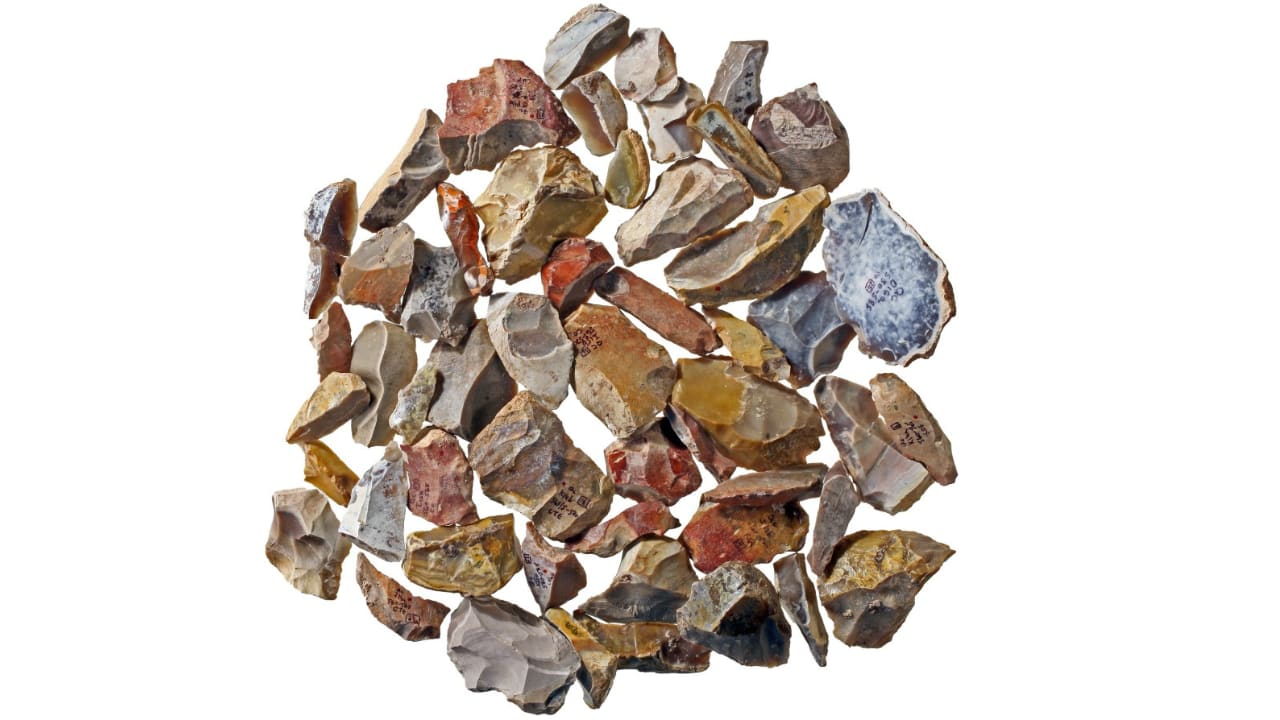
The study, recently published in the journal Evolutionary Anthropology, studied collections of various objects found at prehistoric sites across northern and central Israel.
In brief
Early humans may have been collecting keepsakes to help remember locations and events as far back as half a million years, a new Israeli study suggests.The study, recently published in the journal Evolutionary Anthropology, studied collections of various objects found at prehistoric sites across northern and central Israel.It was led by Dr. Yoav Ram of Tel Aviv University's School of Zoology, Prof.
This is the opening of the story, shared with credit to The Jerusalem Post. The rest of the report — with every detail — continues on the publisher’s website.
Continue reading at The Jerusalem Post ↗