
Dirty, dangerous and turbulent. When French photographer Jean-Pierre Laffont landed in New York in the 1960s his plan was to record ordinary lives from an outsider's perspective.From civil and gay rights to anti-Vietnam war protests, he soon discovered a city on the edge of a cultural revolution, driven by movements, rebelling against the firmly fixed and established norms.Much has been written recently about the deep splits which divide the United States, and Laffont's work perfectly illustrates some of the roots of the "revolutions that continue to shape" the entire country today.In a wide ranging conversation with European Lens, Laffont reflects on his time spent documenting America and shares his views on the future of photography.Jean-Pierre Laffont: Well, I arrived in the United States in April 1964, at a time when... Actually, I didn't arrive in the United States first, I arrived in New York, in New York City, and besides, I didn't have any money to go anywhere else. And I found myself in a city where everything was in ruins, where everything was dirty, where crime was everywhere.I lived on the West Side, and it was dangerous to walk around at night. It was a city where I realised that if I walked around with my cameras hanging around my neck, I was putting myself at risk.
Cause and effect: American rebels through the eyes of Jean-Pierre Laffont
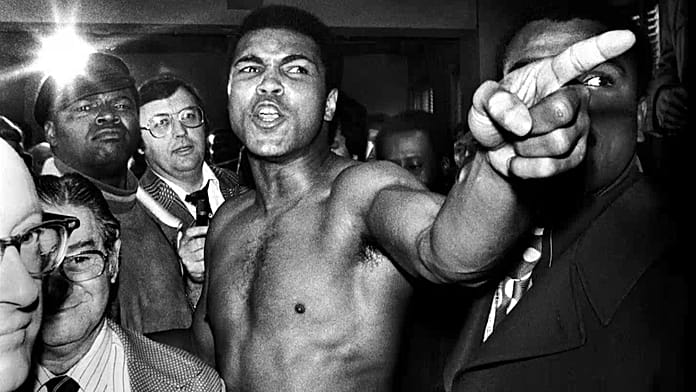
New York in the 1960s, like much of the United States, is unrecognisable from the land many of us know today. French photographer Jean-Pierre Laffont captured all manner of daily life in the city, and beyond, in a stunning new book, "Rebels with a Cause".
In brief
Dirty, dangerous and turbulent. Actually, I didn't arrive in the United States first, I arrived in New York, in New York City, and besides, I didn't have any money to go anywhere else. And I found myself in a city where everything was in ruins, where everything was dirty, where crime was everywhere.I lived on the West Side, and it was dangerous to walk around at night.
This is the opening of the story, shared with credit to Euronews. The rest of the report — with every detail — continues on the publisher’s website.
Continue reading at Euronews ↗