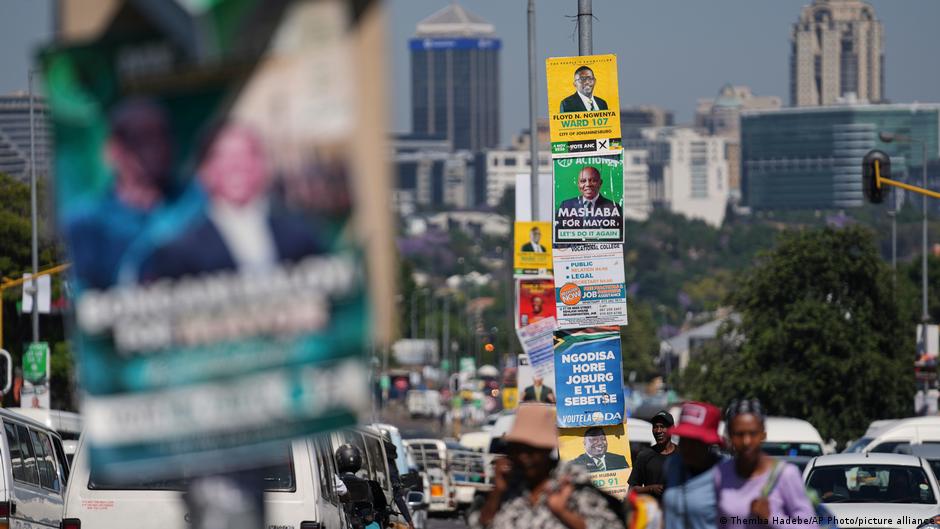
South Africa's governing African National Congress (ANC) party is forced to confront its worst electoral setback to date after securing under 31% of the vote in the country's significant local government elections; party leaders themselves have described the result as "catastrophic."
This outcome marks a steep decline for the party that had once led South Africa's liberation struggle; the party that had dominated the country's political landscape since the end of apartheid in 1994.
The result reflects growing public frustration about the ANC's lack of performance in key areas such as skyrocketing unemployment, poor service delivery, local governance failures and years of graft and corruption — sometimes at the highest levels of government.
So what comes next for the ANC — and for South Africa?
Tasnim Essop, a researcher at the Society, Work and Politics Institute (SWOP) at the University of the Witwatersrand in Johannesburg, says it is time for the party to undertake some serious introspection. She believes that the ANC has to confront a long list of difficult questions about governance, leadership and accountability.
"You're talking about issues like water, electricity, housing, public services at the basic municipal level. And those kinds of things have been key issues. And ...