
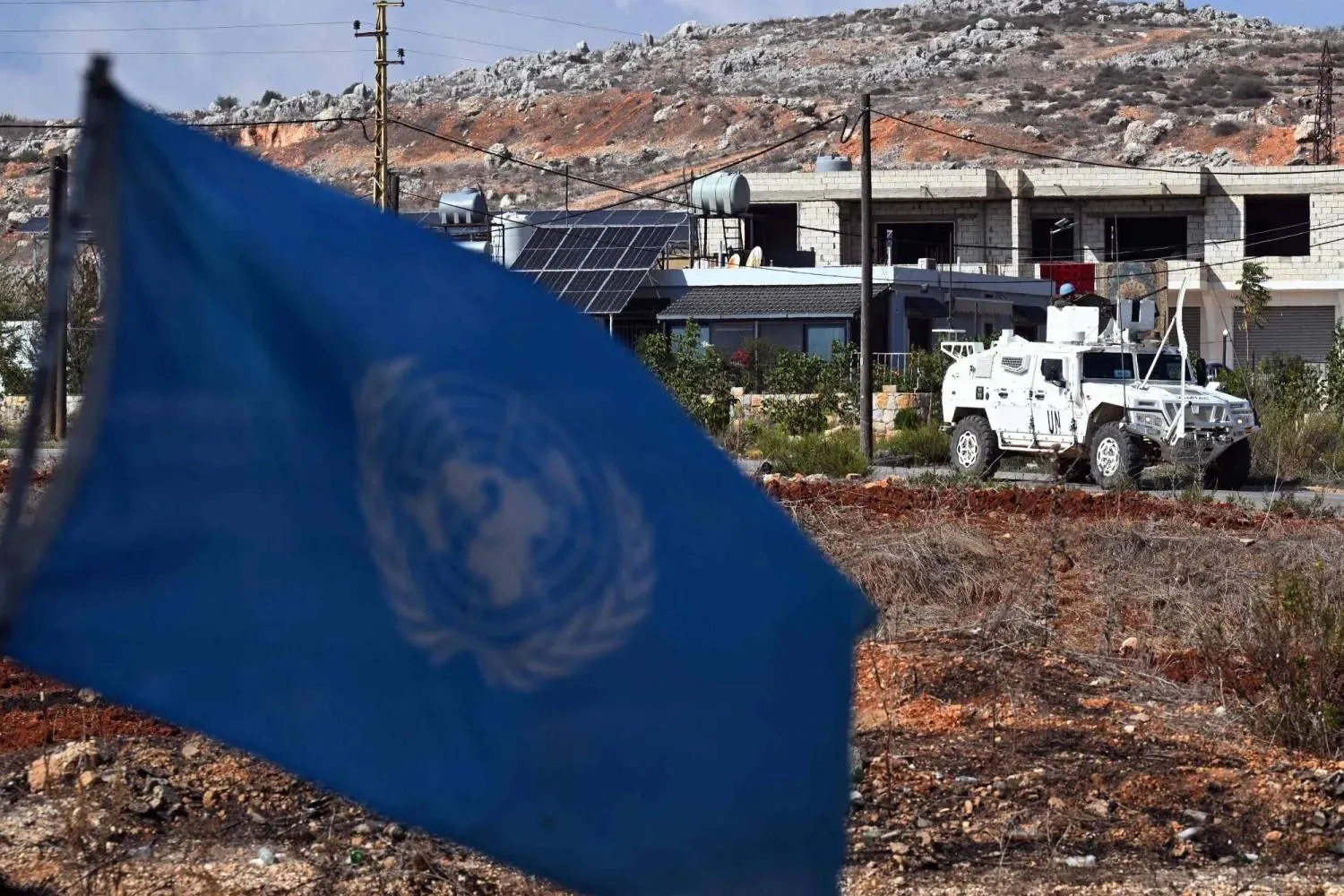
Countries involved in Lebanon are considering a security force to replace the United Nations Interim Force in Lebanon (UNIFIL) when its mandate expires at year-end.
The force would support the Lebanese army in implementing agreements and international resolutions in southern Lebanon. But can a new force enforce both UN Security Council Resolution 1701 and the US-brokered framework agreement between Lebanon and Israel?
Talks have produced broad agreement on the need for such a force, but its composition, mandate, operating procedures and participating countries remain undecided.
The uncertainty was reflected in a statement by Group of Seven foreign ministers after their Nov. 9-10 meeting in Paris. They called for a robust, credible, and long-lasting security architecture in Lebanon to support the Lebanese Armed Forces, in line with Resolution 1701 and to advance implementation of the Trilateral Framework.
Attention now turns to a visit to Beirut on Monday by US Ambassador to the United Nations Mike Waltz, who is due to meet with President Joseph Aoun.
Recent media reports suggest Washington is moving to replace UNIFIL in southern Lebanon with a verification committee and substitute the framework agreement for Resolution 1701.
The resolution ended a 33-day war between Israel and Hezbollah in 2006.
