The forests are ruled by the cat families. They are feral, ferocious and far too similar, so spotting them is never an easy task. For researchers studying big cats, this means looking into the traces they leave behind. If you have ever been on a safari and your guide has pointed towards their paw prints, scratch marks or droppings, you know that they are onto something and so are the researchers. While these signs have long helped researchers understand which animal might have passed through an area, it can leave behind traces of its presence without ever appearing in front of a camera or a person. But did you know that even the odour of a tiger's urine or scat could offer clues about the animal, including the species it belongs to and possibly aspects of its age, sex and reproductive health?A study published in the Journal of Chemical Ecology on May 29, 2026, explored chemical compounds released by tiger and leopard urine and feces, leading researchers to distinguish between the two species and question the veracity with which they can be differentiated.The study, titled Non-Invasive Sampling of Odours from Tiger (Panthera tigris) and Leopard (Panthera pardus) for Wildlife Conservation, was conducted by researchers from the National Centre for Biological Sciences (NCBS), Ahmedabad University and the Danish Academy of Technical…
Tiger's urine andscat reveals more than presence;researchers distinguished tigers from leopards
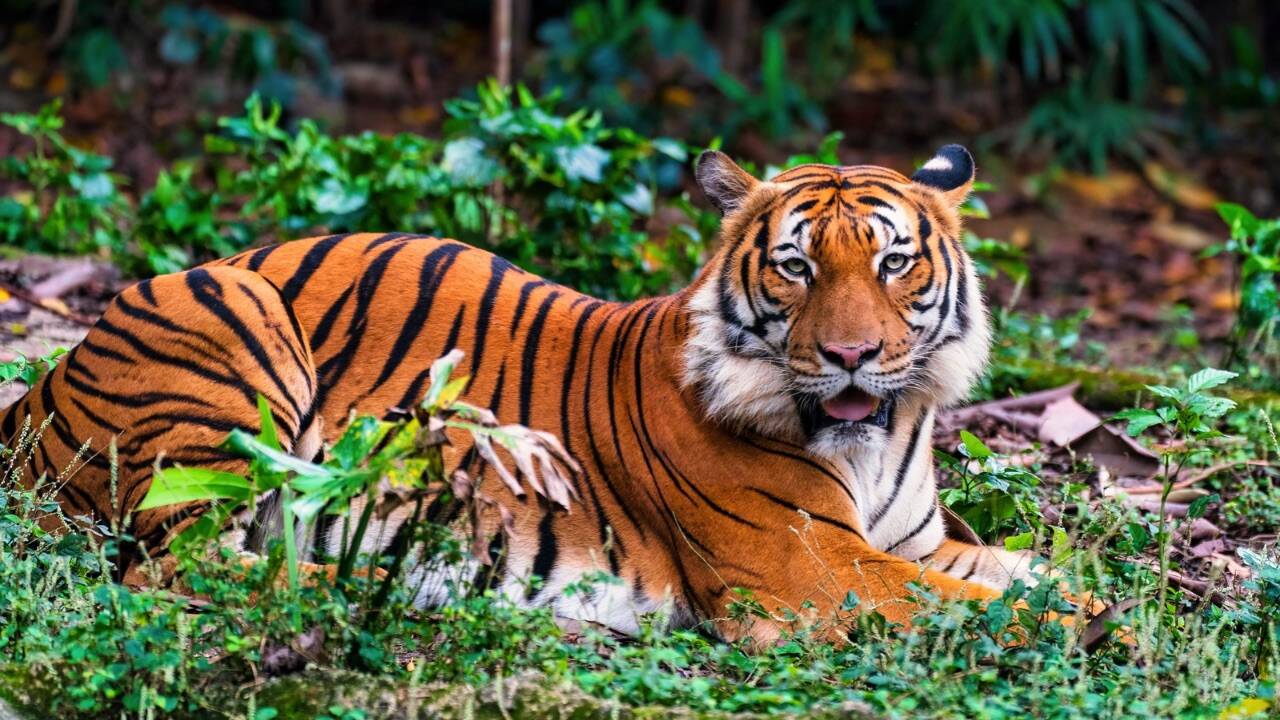
In a groundbreaking study, researchers have thoroughly analyzed the chemical signatures found in the urine and scat of Bengal tigers and Indian leopards. By employing advanced analytical techniques, they not only distinguish between the two species but also glean insights into their health status. Early results show that these chemical markers could be invaluable for monitoring wildlife populations and developing…
In brief
The forests are ruled by the cat families. For researchers studying big cats, this means looking into the traces they leave behind. While these signs have long helped researchers understand which animal might have passed through an area, it can leave behind traces of its presence without ever appearing in front of a camera or a person.
This is the opening of the story, shared with credit to The Times of India — World. The rest of the report — with every detail — continues on the publisher’s website.
Continue reading at The Times of India — World ↗