📰 Newspapers

In elephants, the resilience of communities has its limits

In elephants, the resilience of communities has its limits

In Sri Lanka, ecological change is shrinking a park's elephant population.

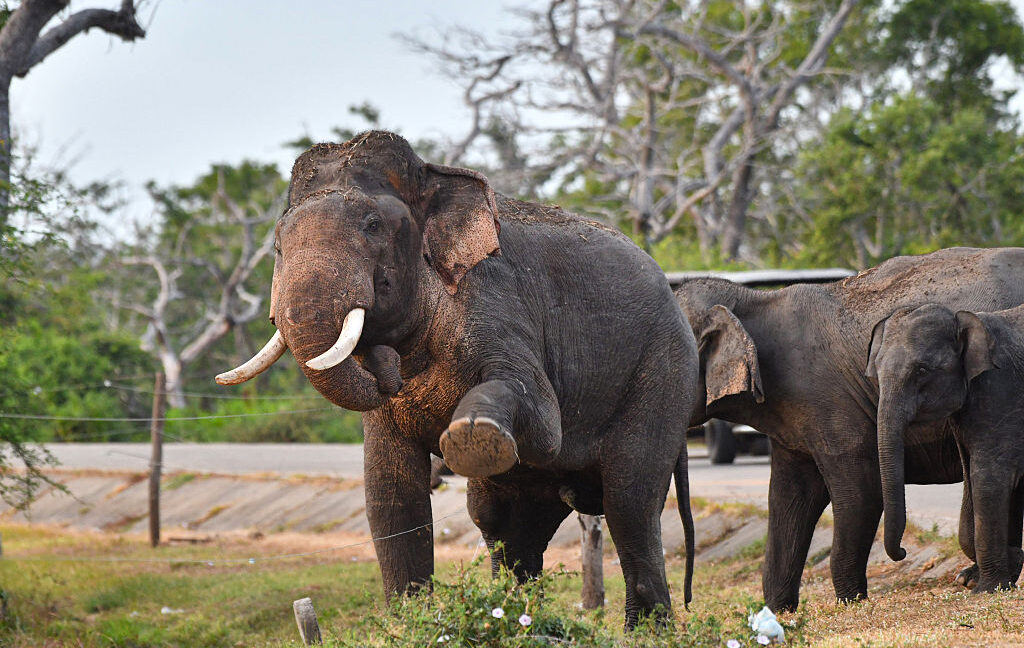
Elephants live in some of the most complex and resilient societies in the animal kingdom. Individuals die or move away, calves grow up, and newcomers join, but the local communities as a whole usually hold together. Long-term studies of African savanna elephants have shown that, even after poaching or other spikes in deaths, survivors tend to rebuild their lost connections over time. But a new study suggests that resilience may not keep the community intact when steady losses accumulate over time.

Anastasia Madsen, a behavioral ecologist at the University of California, San Diego, and her colleagues analyzed 12 years of observations of wild Asian elephants in Sri Lanka. They found that, once losses began to outpace newcomers, the elephants’ society didn’t just get smaller. It fractured.

Accidental savanna

Udawalawe National Park in southern Sri Lanka was created in the 1970s around a reservoir on one of the country's four major rivers. “Before that, it was basically a tropical deciduous forest,” said Shermin de Silva, an ecologist at UC San Diego and senior author of the study (de Silva started the Udawalawe Elephant Research Project in 2006).

Read full article

Comments

In brief

Elephants live in some of the most complex and resilient societies in the animal kingdom. Long-term studies of African savanna elephants have shown that, even after poaching or other spikes in deaths, survivors tend to rebuild their lost connections over time. They found that, once losses began to outpace newcomers, the elephants’ society didn’t just get smaller.

This is the opening of the story, shared with credit to Ars Technica. The rest of the report — with every detail — continues on the publisher’s website.

Continue reading at Ars Technica ↗

Cookie settings

Choose which cookies we may use. You can change this at any time from Cookie settings in the footer. Details of each cookie are in the Cookie Policy.

Strictly necessary

Needed for sign-in, security, payments and remembering these choices. Always on.

Preferences

Remember settings such as dark mode.

Analytics & performance

Help us count visits, understand which pages, devices and countries our readers use, and measure how well the site performs – anonymous and aggregated.

Advertising & marketing

Lets advertising partners show and personalise adverts, measure impressions, clicks and visits, prevent ad fraud and pay us – this is how the free site is funded.

🔔 News notifications

Get headlines from NewsHub on this device — even when the site is closed.

You can switch this off at any time. Works on Android, Windows, Mac and Linux browsers; on iPhone/iPad add the site to your Home Screen first.