
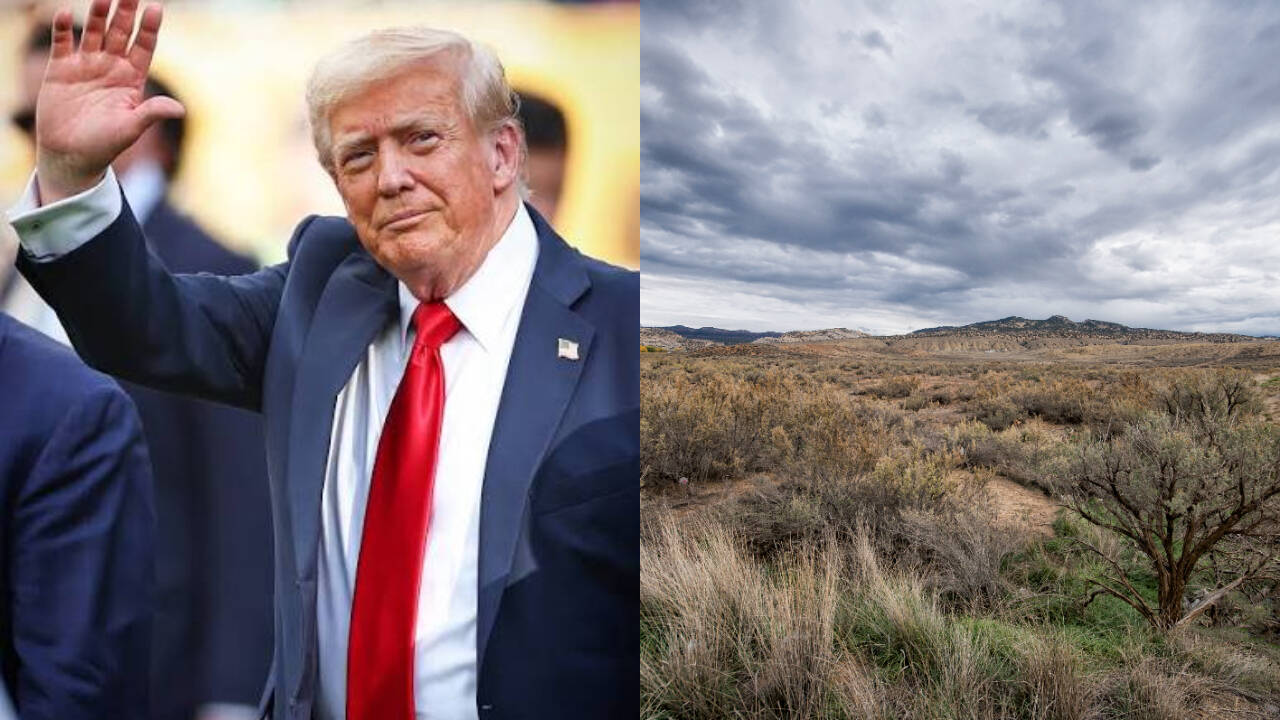
America's vast public landscapes, long regarded as a shared national inheritance, are once again at the centre of a political battle over who should control the country's natural resources. President Donald Trump's administration has outlined a proposal that could reshape the future of federally managed land, opening the door to sales and transfers to states, tribal governments and local authorities. While officials have presented the move as an effort to improve efficiency and redirect resources towards conservation, the absence of clearly identified properties and disposal criteria has raised concerns among conservationists, outdoor enthusiasts and lawmakers.A new direction for federal land managementAccording to The Washington Post, the proposal forms part of a five-year strategic plan released by the Department of the Interior, outlining the agency's priorities for fiscal years 2026 through 2030. The 28-page document identifies four central objectives, including reducing the size of the federal estate by offering certain properties for purchase to states, local governments and tribes.The department has argued that disposing of lands considered less nationally significant would allow it to concentrate resources on properties of greater federal importance. However, neither the specific parcels under consideration nor the geographical scope of potential sales has been disclosed. The administration has also not explained what qualifies a property as nationally significant, the report adds.According to The Washington Post, the Interior…
Trump administration plans federal land sales, but leaves parcels unidentified
In brief
America's vast public landscapes, long regarded as a shared national inheritance, are once again at the centre of a political battle over who should control the country's natural resources. President Donald Trump's administration has outlined a proposal that could reshape the future of federally managed land, opening the door to sales and transfers to states, tribal governments and local authorities.
This is the opening of the story, shared with credit to The Times of India — World. The rest of the report — with every detail — continues on the publisher’s website.
Continue reading at The Times of India — World ↗