The Mombasa–Nairobi SGR cost US$7.6 million per kilometre, against US$5.7 million for Tanzania’s electrified Dar es Salaam–Dodoma line and US$5.3 million for the electrified Djibouti–Addis Ababa line.
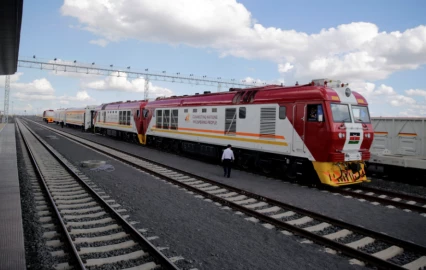
Wonders do not cease, others border on a puzzle. From 2014, Kenya began the construction of a diesel-powered railway and paid more per kilometre than its two immediate neighbours who built electrified ones. The World Bank’s latest Kenya Economic Update asks why, and the answer it gives is not mainly about terrain or engineering, it is about poor governance, ethical impropriety, and the cost of corruption to a whole nation.
The numbers do not add up
The Mombasa–Nairobi SGR cost US$7.6 million per kilometre, against US$5.7 million for Tanzania’s electrified Dar es Salaam–Dodoma line and US$5.3 million for the electrified Djibouti–Addis Ababa line. That makes Kenya’s line roughly a third dearer than Tanzania’s and 43% dearer than the Ethiopia–Djibouti railway. At Tanzania’s rate, the Bank says, Kenya could have saved up to US$900 million, roughly Sh116 billion. At least 30 percent of that gap is attributed to governance challenges rather than topography or technical differences.
Some caveats are worth stating. The Bank itself cautions that comparing railway costs is not straightforward, since terrain, construction periods and project requirements all factors that affect the ultimate price.