Every coin has two sides. While human civilisation continues to move forward at a breathtaking pace, driven by trade, industry and technological advancements, somebody else often has to pay the price for it. The natural world has been one of the biggest victims of this progress, with several species being pushed to the brink of extinction. Beavers were among them. Once native to Scotland, these industrious mammals were hunted extensively for their fur, meat and castoreum, a secretion that was highly valued in the perfume trade. Centuries of exploitation eventually wiped them out from the Scottish landscape. Now, nearly 500 years later, they are preparing to make a comeback around Loch Ness.On October 30, 2026, NatureScot, Scotland's nature conservation agency, announced that a licence had been granted to two conservation organisations, Trees for Life and Beaver Trust, to bring beavers back to the River Ness catchment. Under the three-year project, the organisations will be allowed to relocate and release up to 15 beaver families from other parts of Scotland, where they are currently facing conflicts with human activities. The initiative aims to establish a healthy, self-sustaining beaver population in the region while restoring the ecological balance of its rivers and wetlands.Why did beavers disappear from Scotland?Beavers were once a familiar part of Scotland's natural landscape, with their beautiful fur and…
Beavers were last recorded around Loch Ness in about 1527; nearly 500 years later, Scotland has licensed conservation groups to release up to 15 beaver families into the River Ness catchment over three years.
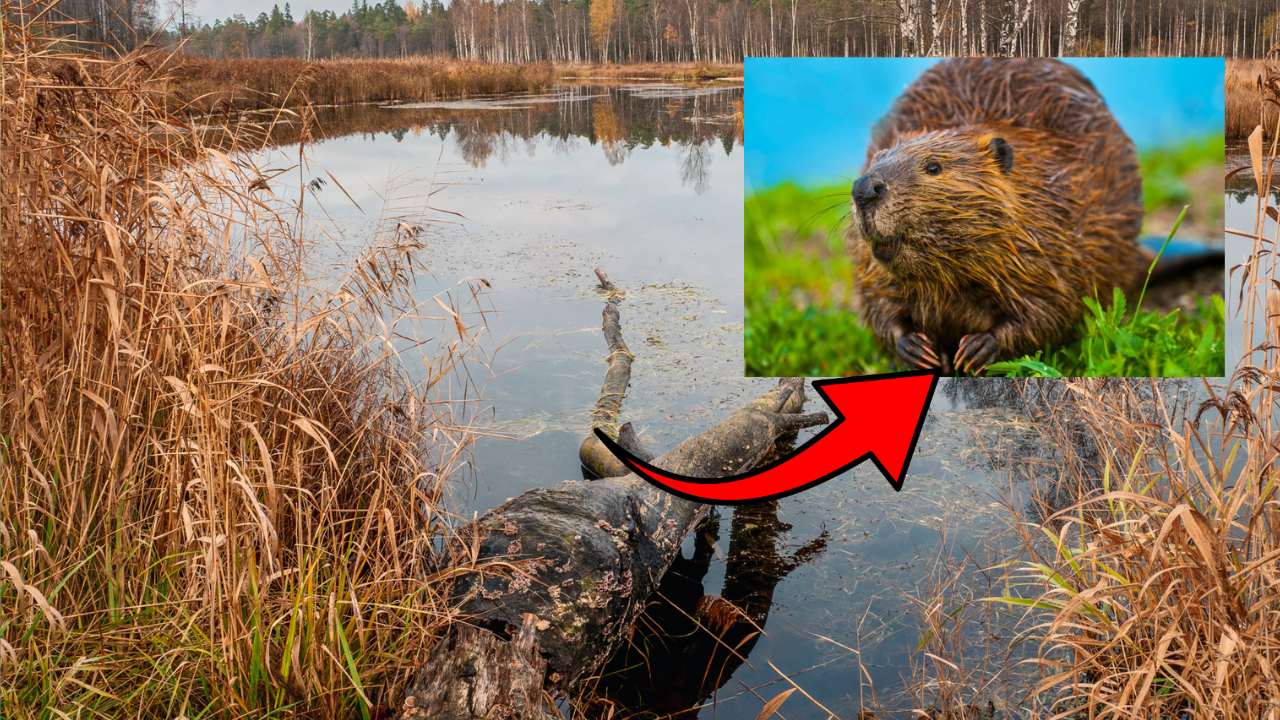
Scotland has approved a three-year project to reintroduce beavers to the River Ness catchment. Conservation organizations will relocate beaver families from other parts of Scotland to promote healthy populations. Beavers are recognized as ecosystem engineers that contribute to the restoration of natural habitats. Their return aims to improve ecological balance and support diverse wildlife in the region.
In brief
While human civilisation continues to move forward at a breathtaking pace, driven by trade, industry and technological advancements, somebody else often has to pay the price for it. Now, nearly 500 years later, they are preparing to make a comeback around Loch Ness.On October 30, 2026, NatureScot, Scotland's nature conservation agency, announced that a licence had been granted to two conservation organisations, Trees for Life and Beaver Trust, to bring beavers back to the River Ness catchment.
This is the opening of the story, shared with credit to The Times of India — World. The rest of the report — with every detail — continues on the publisher’s website.
Continue reading at The Times of India — World ↗