It could be hardware, software or something else entirely.
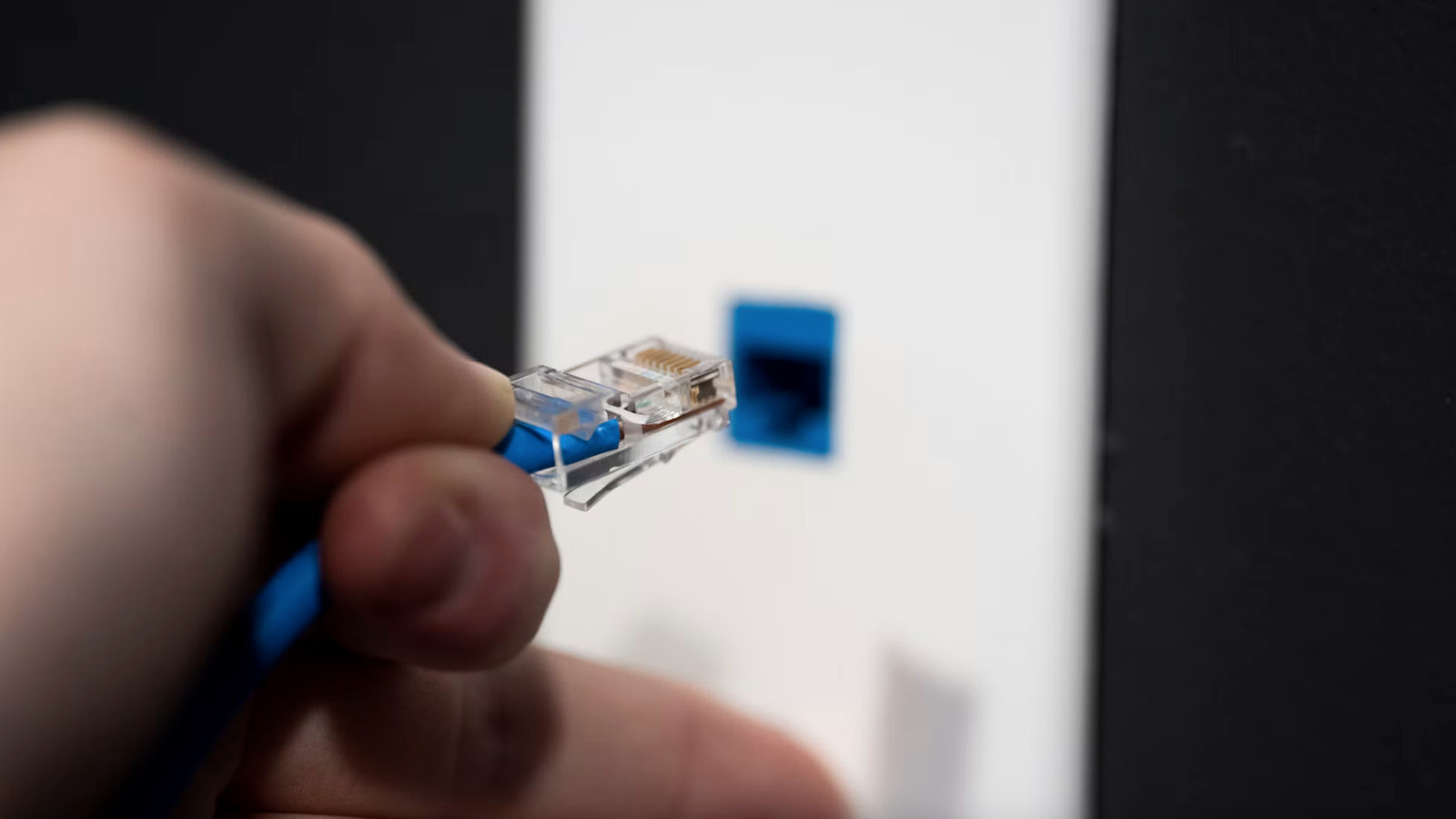
Ethernet cables, otherwise called network cables, are supposed to be two or three times faster than Wi-Fi. That's one of the primary benefits of going with a wired connection. However, that's not always true in a real world setting. Many users have noticed that ethernet cables can actually be slower than Wi-Fi.
How is that even possible? In rare cases, it's simply a matter of a fast wireless connection that outpaces Ethernet speeds. Wireless routers have come a long way in the past decade, particularly with the introduction of protocols like Wi-Fi 7.
It's not always greyhound-like wireless speeds. There are a host of reasons why an ethernet connection could be slower than its wireless counterpart. Some of this is hardware based, as in the wire itself, and some is connected to software issues. Let's get into the how and why of it all so you can continue browsing and streaming without any speed hiccups.
Ethernet cables have been around for decades. The technology keeps progressing, so not all cables are equal. Using old and out-of-date cables will absolutely cap the speed of any wired connection. A good rule of thumb? Make sure to get at least a Cat5 cable or better.