TEHRAN – Western leaders assumed they could keep the Palestinian bloodshed, the flames of war in Iran, and the resulting costs far removed from their own societies.
They believed American and European citizens would continue watching the war unfold on their screens, without it affecting their lives or reshaping their political choices. But the massacres in Gaza shattered the moral barrier, while U.S.-Zionist aggression against Iran shook energy and shipping markets.
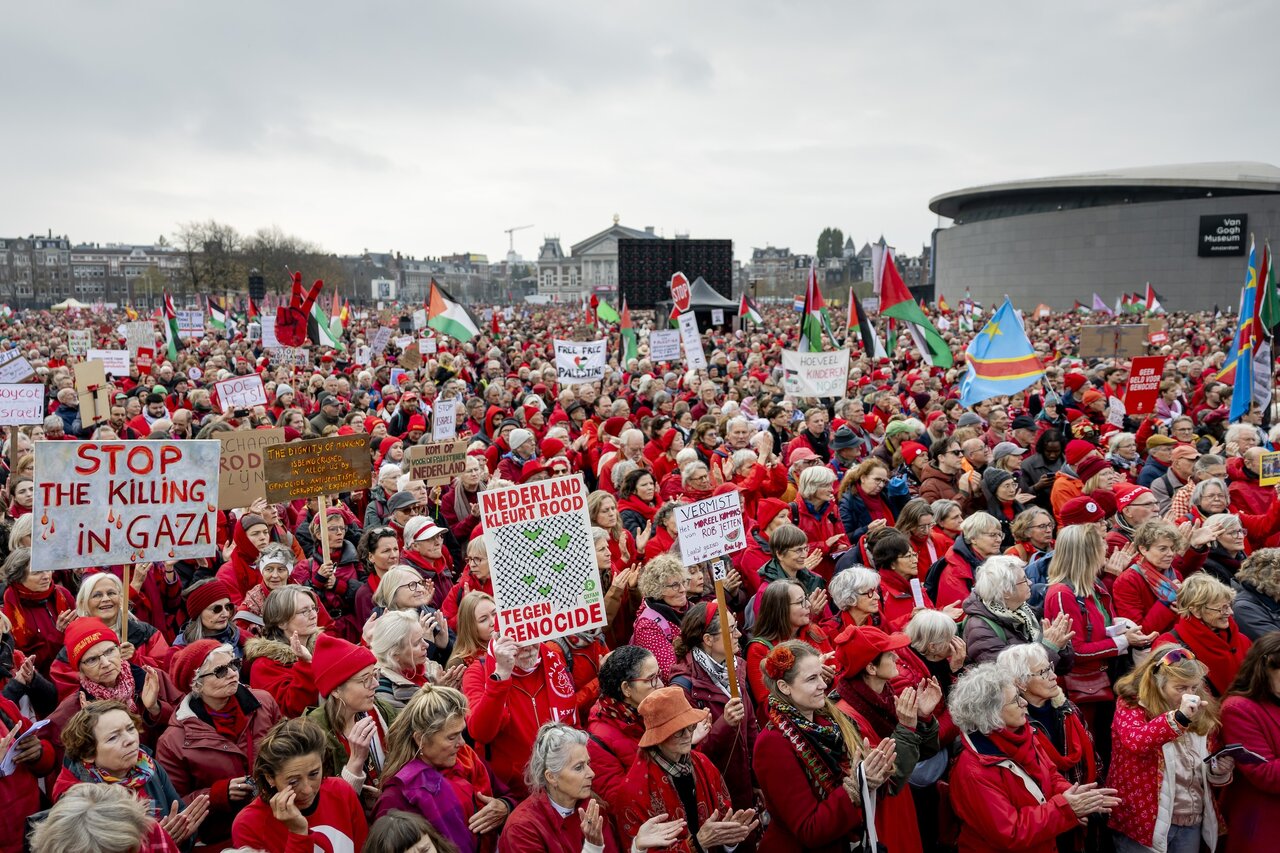
Then came the ballot boxes and popular protests, declaring that wars ignited beyond national borders can return home as questions of legitimacy, bills to be paid, and votes of political punishment.
These developments are not isolated events. They are different expressions of a single moment: the erosion of the hegemonic order’s ability to wage war, monopolize its narrative, and leave others to bear its costs.
October 7, 2023, marked a major turning point in the history of the conflict, not simply because of what happened that day, but because of what the ensuing genocidal war exposed about the true nature of the Zionist project and the limits of the Western shield protecting it.
What the West presented under the banner of “self-defense” turned into mass killing, starvation, the destruction of hospitals, schools and residential neighborhoods, and an attempt to make life itself impossible in the Gaza Strip.