Weak implementation of environmental and social safeguards could expose communities and ecosystems to risks from development projects, despite Kenya having established laws and regulatory institutions.
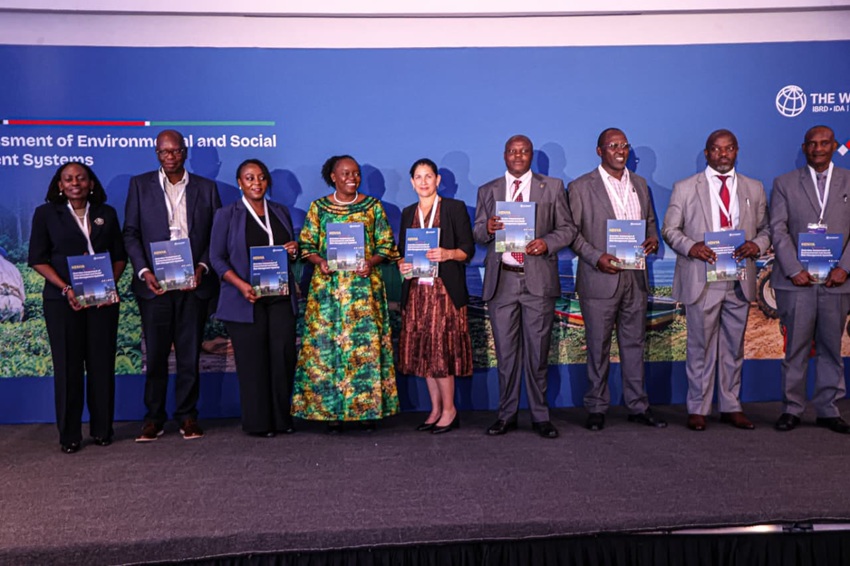
To address these gaps, the World Bank Group has launched an assessment report examining Kenya’s environmental and social risk management systems and proposing reforms to strengthen their implementation.
The Kenya Overview Assessment examined the country’s legal, institutional and operational arrangements against the World Bank’s 10 Environmental and Social Standards, identifying gaps in areas including labour, pollution prevention, community health and safety, land acquisition, biodiversity, cultural heritage and stakeholder engagement.
Gaps in national laws and institutional capacity
Babatu Adam, Senior Social Development Specialist at the World Bank, said the findings would help government institutions and development partners identify areas requiring regulatory reforms and stronger institutional capacity.
Having worked with the Bank for nearly 10 years, Adam noted that governments needed support to implement environmental and social safeguards rather than simply being required to comply with international standards.
“It is one thing to ask governments to make sure that they comply with World Bank policies and regulations. It is another to support them to do that because we have to recognise that countries have capacity deficits,” he said.
One of the gaps identified concerns livelihood restoration for people affected by development projects.