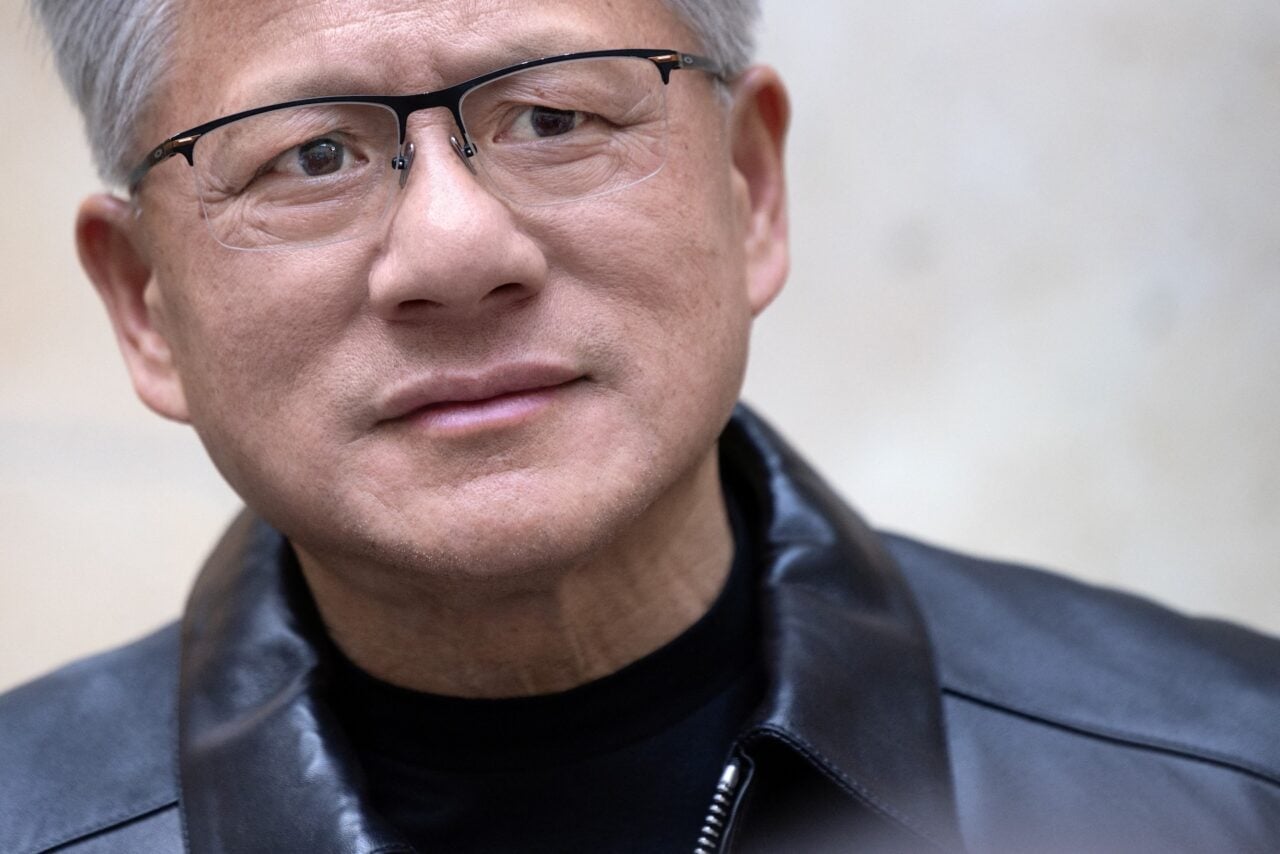
Jensen Huang’s departure from Nvidia has drawn a range of responses across Asia, with some governments moving to confirm chip supply commitments, while others are monitoring the impact on local projects or addressing ongoing investigations.
On Sunday, November 8, Nvidia’s board launched an independent investigation after reports that Huang was targeted by a Chinese spy operation; Huang admitted to an affair with Alice Huang, a former executive at Singapore-based chip company Megaspeed.
Nvidia’s influence extends far beyond the United States. The chip giant has built close ties with companies worldwide, particularly in Asia, where many of its key partners play important roles in the global AI industry.
China’s foreign ministry rejected allegations on November 10 that a Chinese businesswoman linked to former Nvidia CEO Jensen Huang was a spy, calling them groundless and a smear against Beijing. On Friday, a spokesperson reiterated opposition to export controls that disrupt global supply chains and stated the ministry was not aware of reports linking restricted Nvidia chips to a Shanghai data center associated with Alice Huang.
Huang’s exit has also raised uncertainty over more than $3 billion in Chinese AI computing projects reliant on Nvidia’s restricted processors, according to Reuters’ review of procurement notices, investment plans and corporate disclosures. Many of these chips are subject to U.S.