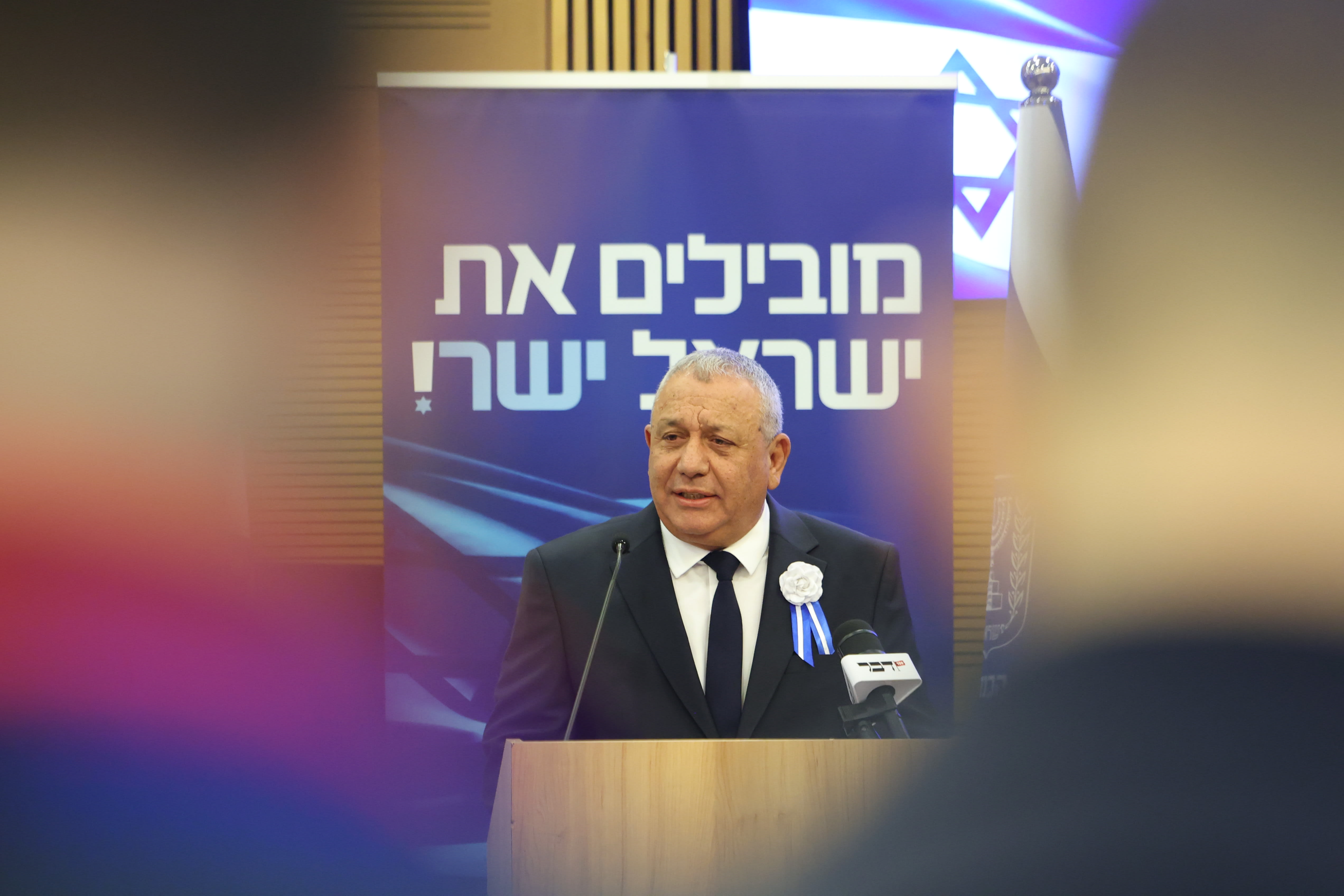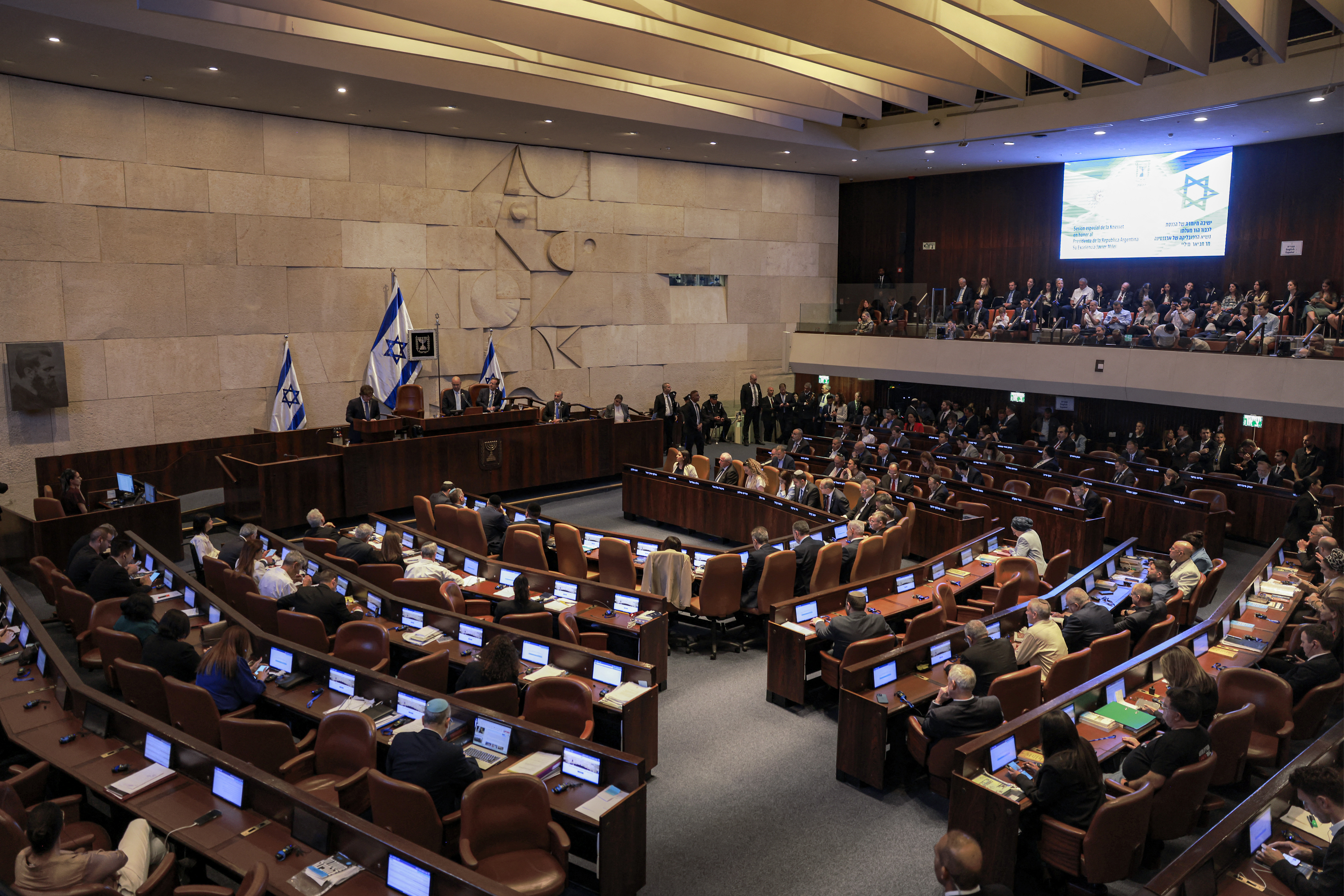
With the support of 67 of the 120 members of the Knesset, it was a no-brainer for Israeli President Isaac Herzog to task Gadi Eisenkot, the leader of the Yashar Party, with forming a government following the results of last month’s general election. On the face of it, with this level of backing, compared with the 46 members who supported Netanyahu, the task should be straightforward. But it is not. This is Israeli politics, where nothing is quite what it seems.
While it is tempting to blame the politicians — and they certainly must shoulder much of the responsibility — voters have also dealt them a difficult hand in this poker-like exercise of coalition-building. In this process, numbers matter. Yashar won 21 seats, which means it needs almost twice that number of seats from other parties to form a majority government.
This might sound pessimistic, but not necessarily so. The 67 members of the Knesset who supported Eisenkot during their consultations with Herzog may appear united around one objective: getting rid of Netanyahu and removing him from politics for good.