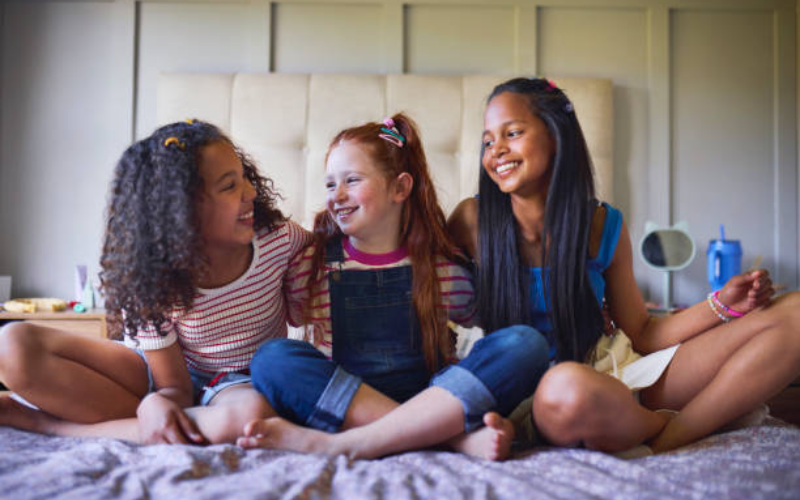
Decades ago, children occasionally spent nights at their cousins’ homes without their parents having to make formal arrangements. The extended family was part of the parenting system, with familiar homes considered extensions of one’s own.
With the long school holidays here, sleepover requests are likely to feature in many family conversations. But for parents, deciding whether to let their children spend the night away from home is not always straightforward.
For Elena Omollo of Kibiko, Ngong, a frightening past experience led her to ban sleepovers until her 11-year-old daughter completes high school.
“I was shocked when she asked to sleep at a new friend’s home. My gut feeling told me this was risky,” she says, recalling a near-disaster in which her daughter almost lost her life.
Jairus and Harriet Kageni, parents of three girls, take a different approach, allowing sleepovers under strict conditions.
“We must know their parents, where they live, and the children must have a number they can call. They also have to call us before going to bed,” says Jairus.
Harriet believes sleepovers help children develop independence and social skills.
“If we keep the girls always with us, when will they learn?” she asks.
Still, technology, social media and unsupervised moments remain among their concerns.