Bilal Erdogan, the son of Turkish President Recep Tayyip Erdogan, received an enthusiastic welcome in northern Lebanon during a three-day visit that also included meetings with senior Lebanese political leaders. The visit illustrates Turkey's efforts to expand its influence in Lebanon at a time when the regional balance of power is changing, particularly following the fall of the Assad regime in neighboring Syria.The visit took Erdogan from Beirut to Tripoli and Akkar, areas where Turkey has historical, cultural, and religious connections. However, his meetings with Lebanese Parliament Speaker Nabih Berri, Druze leader Walid Jumblatt, and Future Movement Vice President Bahia Hariri is evidence that Ankara's outreach extends beyond its traditional relationships with Sunni communities in northern Lebanon.Turkey already has a influence in Syria and has had forces in northern Iraq for years. It has increasingly eyed Lebanon for new foreign policy initiatives. Turkey also has a role in Libya, Somalia, and the Eastern Mediterranean. Turkey-Israel tensions are increasing. Could Ankara's role shift the balance of power in Lebanon and the region?The visit attracted attention in the Lebanese media. Al-Akhbar, a newspaper associated with being pro-Hezbollah, described the reception in Tripoli as exceptional.
Turkey pushing to expand influence in Lebanon, wider region with President's son's visit – analysis
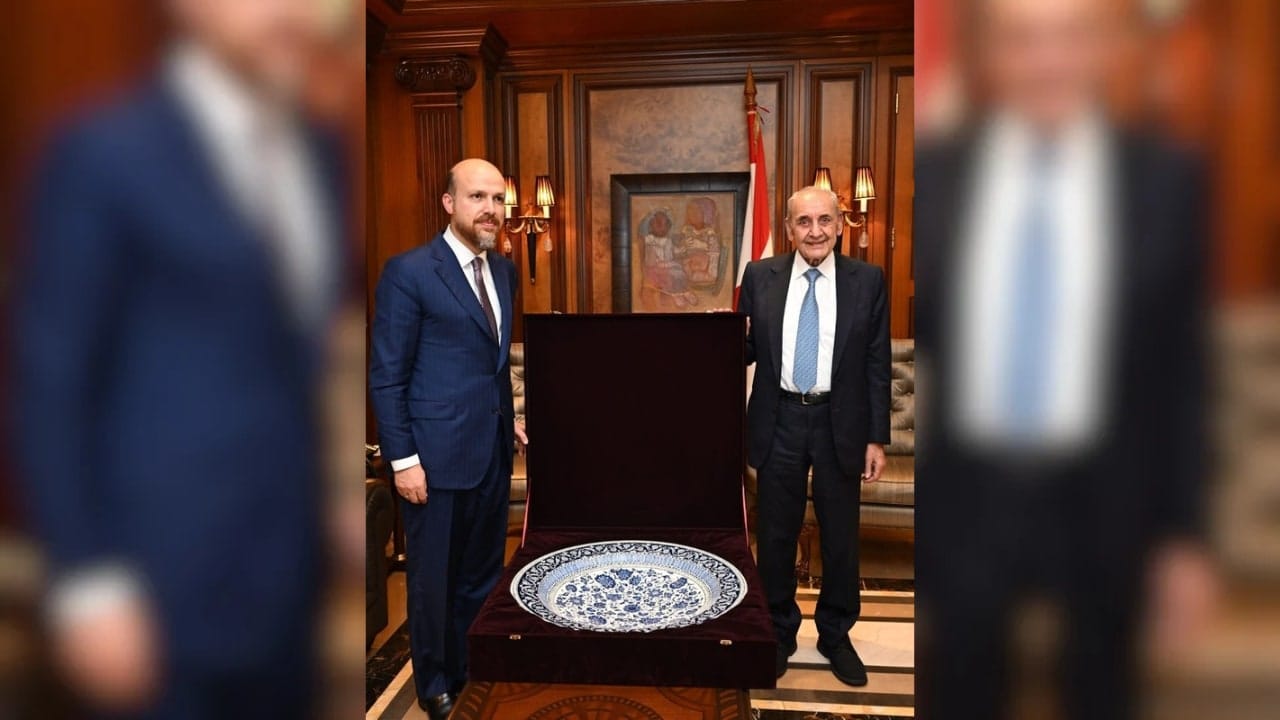
Balil Erdogan's meetings with a wide range of Lebanese leaders is evidence that Ankara's outreach extends beyond its traditional relationships with Sunni communities in northern Lebanon.
In brief
Bilal Erdogan, the son of Turkish President Recep Tayyip Erdogan, received an enthusiastic welcome in northern Lebanon during a three-day visit that also included meetings with senior Lebanese political leaders. It has increasingly eyed Lebanon for new foreign policy initiatives. Turkey-Israel tensions are increasing. Could Ankara's role shift the balance of power in Lebanon and the region?The visit attracted attention in the Lebanese media.
This is the opening of the story, shared with credit to The Jerusalem Post. The rest of the report — with every detail — continues on the publisher’s website.
Continue reading at The Jerusalem Post ↗